
The heat transfer coefficient is one of the key parameters of window joinery, defining a window’s ability to retain heat inside a building and protect against cold from the outside. The lower the value, the better the window’s thermal insulation properties. This translates not only to increased indoor thermal comfort but also to reduced heating expenses. So, what should you know about the heat transfer coefficient?
What is the Window Heat Transfer Coefficient?
The heat transfer coefficient, denoted by the symbol U, describes the amount of heat that passes through the thermal barriers of a building—such as windows, doors, walls, or the roof. This parameter indicates how much thermal energy penetrates one square meter of the window surface per unit of time, assuming a temperature difference of 1 kelvin (K) between the interior and the exterior.
In simpler terms, the U-value shows how effectively a window insulates a building’s interior from external weather conditions. This includes both preventing heat loss during winter and limiting overheating in summer. It is one of the key factors affecting the energy efficiency and thermal insulation of residential and commercial buildings.
The U-value is expressed in units of W/m²K. The lower the value, the better the thermal insulation of the window, which means greater airtightness and improved heat retention within the building.

How to Compare Heat Transfer Coefficients of Windows?
Manufacturers of building materials and external windows and doors (such as MIROX) are required to disclose the U-value for their products. This allows investors to easily verify whether a window or door meets thermal insulation and airtightness requirements—i.e., whether the Uw coefficient is sufficiently low.
Comparing the insulation parameters of various window models is made easier by introducing a reference window – a single-sash window with dimensions of 1230 mm width by 1480 mm height. By comparing windows of the same size but different Uw values, one can reliably assess which offers better thermal insulation, regardless of shape or custom dimensions. MIROX offers modern, energy-efficient PVC and aluminum windows that achieve exceptionally low U-values – as low as 0.76 W/m²K. Such parameters significantly reduce energy consumption for heating and provide high thermal comfort year-round, regardless of weather conditions.
Types of Window Heat Transfer Coefficients
Several types of heat transfer coefficients are used for windows:
- Uw – the total heat transfer coefficient for the entire window, including both the glazing and the frame. This is the most important metric for assessing a window’s insulation.
- Ug – the heat transfer coefficient of the glazing (from “glass”), referring to the pane only. In modern energy-efficient windows, Ug often ranges from 0.5–0.7 W/m²K.
- Uf – the coefficient referring to the window frame (from “frame”). Its value depends on the material type and profile construction, including the number of internal chambers.
- Ψg (Psi g) – the linear heat transfer coefficient, indicating heat loss along the connection between the glass and the frame. It considers the effect of the spacer bar separating the panes. This is a critical parameter since thermal bridges often form in these areas, increasing energy loss.
To ensure maximum energy efficiency, it is important to aim for the lowest possible values across all these coefficients.
What Influences a Window’s Thermal Transmittance?
The Uw coefficient measures the amount of heat passing through a window structure. Its value depends on several key elements directly impacting the window’s energy efficiency.
One of the most important factors is the type and quality of glazing. Since glass makes up most of the window surface, it contributes significantly to heat loss. Modern solutions use triple-pane glazing units, which offer significantly better insulation than double-glazed ones. Also important are low-emissivity coatings that reflect heat back into the room and inert gases (e.g., argon or krypton) between the panes that enhance thermal performance.
The window frame construction is another crucial factor. Profiles made from multi-chamber PVC or aluminum with thermal breaks effectively reduce energy loss. The number of internal chambers directly affects the frame’s insulation properties. Increasingly, warm edge spacers are used to minimize heat loss at the pane-to-frame junction.
Another important aspect is the quality of seals. High-quality energy-efficient windows are equipped with multiple sealing levels that effectively block cold air and moisture from entering the interior.
Finally, installation quality is critical. Even the best insulating windows will fail if improperly installed. To minimize thermal bridging, warm installation techniques should be used.
Uw Coefficient – Energy-Efficient vs. Passive Windows
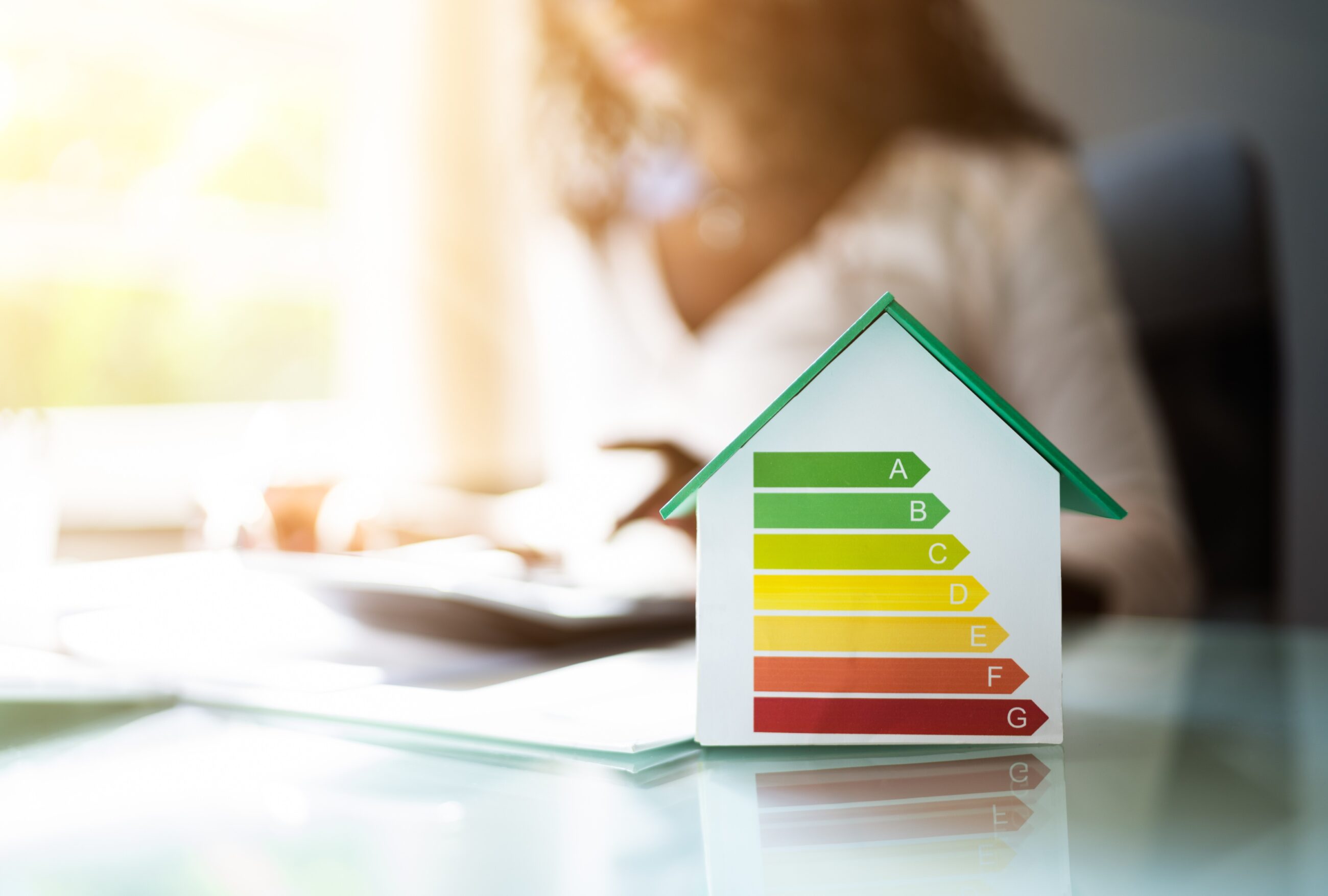
Over time, in response to growing energy efficiency demands and advances in construction technologies, window joinery regulations have become increasingly strict. Today, a low heat transfer coefficient is essential for constructing energy-efficient and passive houses.
Energy-Efficient Windows
An energy-efficient house uses no more than 70 kWh/(m² per year) of energy. A key condition to meet this standard is using energy-efficient windows with a Uw not exceeding 0.9 W/m²K. Such windows typically feature triple-pane glazing, warm edge spacers, and multi-chamber profiles that significantly reduce heat loss.
The Energo 7000 windows by MIROX are designed with modern energy-saving building standards in mind. Thanks to their advanced design, they help maintain warmth indoors and contribute to lower heating costs.
Passive Windows
Passive windows represent cutting-edge technology designed to minimize heat loss to an absolute minimum. Used in passive and ultra-low-energy buildings, these windows must have a Uw coefficient of no more than 0.8 W/m²K. Passive windows feature:
- Triple-pane glazing with krypton gas, which has better insulating properties than argon.
- Ultra-low Ug values, often 0.5 W/m²K or less, minimizing heat loss.
- Deep, multi-chamber profiles with very low Uf values that retain indoor heat effectively.
- Advanced sealing systems that eliminate air leakage and prevent cold drafts.
Passive windows are the best solution for those seeking the highest level of energy efficiency and thermal comfort. A perfect example is the Passive 8000 windows from MIROX, which deliver outstanding insulation, ideally suited for passive house requirements.
MIROX Windows with Low Heat Transfer Coefficients – Choose Energy Efficiency and Comfort for Your Home
For many years, MIROX has been delivering high-performance window joinery that meets modern energy efficiency standards. We offer energy-efficient and passive windows that combine contemporary design, durability, and functionality – tailored to meet the needs of modern construction.
MIROX windows come with triple glazing with low-emissivity coatings, advanced sealing systems, and robust profiles with excellent thermal insulation properties. These features help reduce heat loss in winter, prevent overheating in summer, significantly lower heating costs, and reduce CO₂ emissions.
If you’re looking for windows that offer year-round thermal comfort and support energy-efficient building goals, explore our product range.
Choose trusted, long-lasting windows from a manufacturer with over 35 years of experience.