Over the years, window seals lose their elasticity. This is a natural process influenced by the type of material used, daily operation, and exposure to weather conditions. When seals lose their flexibility, gaps appear, causing heat loss in rooms and higher heating bills. Replacing window seals is a task that can be done independently or entrusted to professionals. So, when should it be done and how to carry it out correctly?
How to recognize when seals stop working?
Regular replacement of seals helps avoid heat loss and protects your home interior from moisture. If a closed window does not retain warmth or you feel drafts around the sash, it may indicate seal damage. It’s also worth checking the condition of seals if you notice crumbling, dullness, or splitting.
In PVC as well as aluminum windows, seals should be replaced every few years – typically every 7–10 years. This period may be shorter in windows exposed to strong sunlight or high humidity. Seals should always be replaced once their condition significantly affects the window’s tightness.
What do you need to prepare for seal replacement?
Before resealing plastic or wooden windows, you need to choose the right type of seal. Ideally, you should know the window’s manufacturer and model – this information can be found on the nameplate. The seal should fit perfectly with the window profile. Not every type of seal is suitable for every system – this is especially true for glazing gaskets, which are precisely matched to a specific construction.
Basic tools required for the job:
- a tape measure to measure the window
- a knife or scissors to cut the seal to size
- a sponge and cleaning solution to prepare the groove in the frame
- a new seal matching the profile cross-section
If you plan to replace glazing gaskets in PVC windows, it’s best to hire a specialist. This requires removing the glazing unit – a job that demands precision and experience.
Why do seals lose their properties?
Window seals are exposed to weather conditions, which shortens their lifespan. UV radiation, fluctuating temperatures, humidity, and frequent window use cause hardening and loss of elasticity. In both plastic and wooden windows, seals are usually made of EPDM rubber. While durable under extreme conditions, its insulating properties weaken over time.
The most common signs of wear include:
- cracks
- loss of flexibility
- leaks causing drafts
Their condition is also affected by lack of maintenance. Neglecting seal care shortens their lifespan. Well-maintained rubber seals can last up to a decade but require regular cleaning and lubrication. Ignoring maintenance may lead to loss of thermal insulation for the entire window.
Step-by-step guide to replacing a window seal
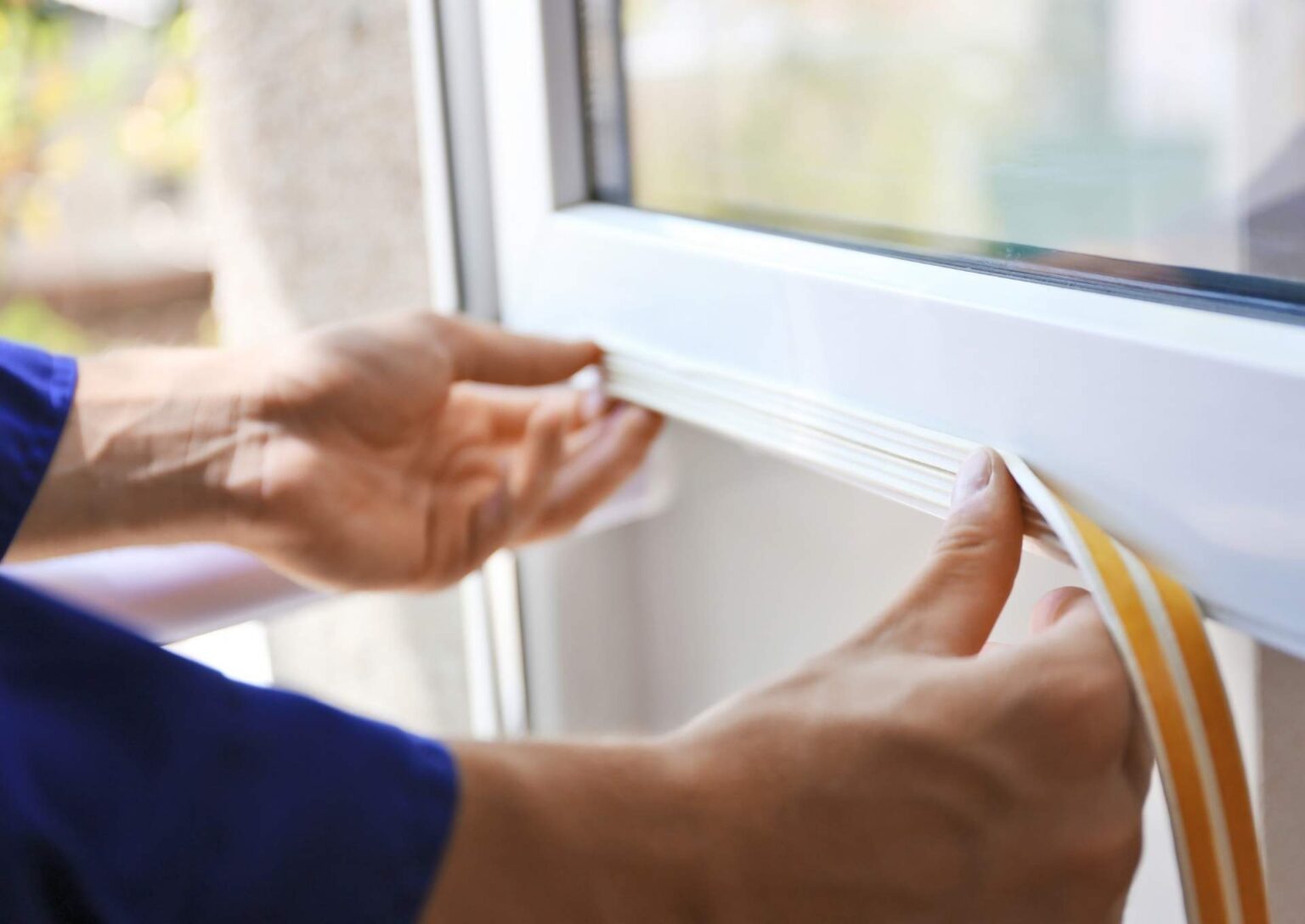
In most cases, replacing seals in PVC windows does not require specialized tools. If the seal is pressed into a groove, simply remove the old one, clean the frame, and insert the new seal.
How to replace a window seal:
- Remove the old seal by gently pulling it out. If it crumbles or tears, use a narrow tool to pry it out.
- Clean the window frame with water and mild detergent. Do not use solvents – they may damage the profile.
- Fit the new seal. If not pre-cut, use the old one as a template and trim it to the correct length.
- Insert the new seal into the groove and press it in firmly. Make sure it fits snugly along the entire length.
Replacing a window seal doesn’t take much time but has a big impact on maintaining thermal and acoustic insulation. Seals are often replaced during full window servicing – alongside hinge adjustment or filling gaps with polyurethane foam.
What else is worth knowing about window seal replacement?
Replacing glazing gaskets is more complicated – don’t attempt it without experience. Professional services covering seal maintenance or complete window servicing ensure the work is carried out safely. The cost of seal replacement depends on the type of window and the number of sashes.
High temperatures, low pressure, and humidity all affect window durability. Proper seal maintenance, carried out at least twice a year, extends their lifespan.
Regardless of whether you have PVC windows, custom-sized windows, or aluminum windows, each one requires regular inspection. The condition of seals should also be checked in PVC exterior doors and all custom entrance doors. If you’re unsure how to replace window seals, contact a service professional. An expert will assess their condition and advise on the best solution. Timely replacement ensures better thermal comfort and extends the lifespan of the entire construction.
FAQ
1. How often should window seals be replaced?
Typically, seals are replaced every 7–10 years. This period may be shorter if windows are exposed to strong sunlight, frequent opening, or high humidity.
2. How can you extend the lifespan of window seals?
Regular cleaning and lubrication (ideally twice a year) protect seals from drying out and losing elasticity. With proper maintenance, rubber seals can last up to 10 years, maintaining good thermal and acoustic insulation.
3. Can glazing gaskets be replaced independently?
Replacing glazing gaskets requires removing the glazing unit, so it is recommended to hire a service professional. For most other seals, basic tools and careful work are usually sufficient.