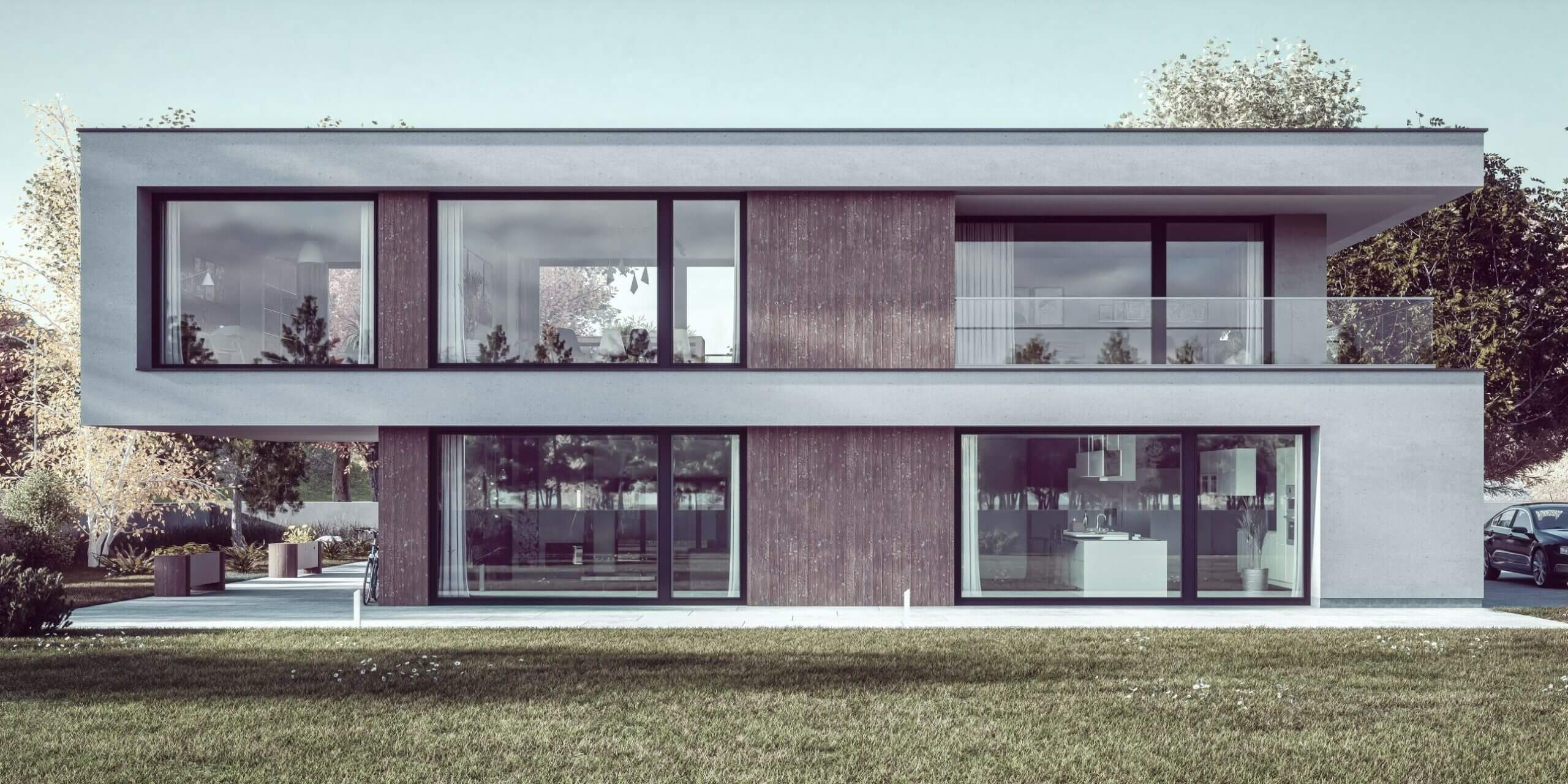
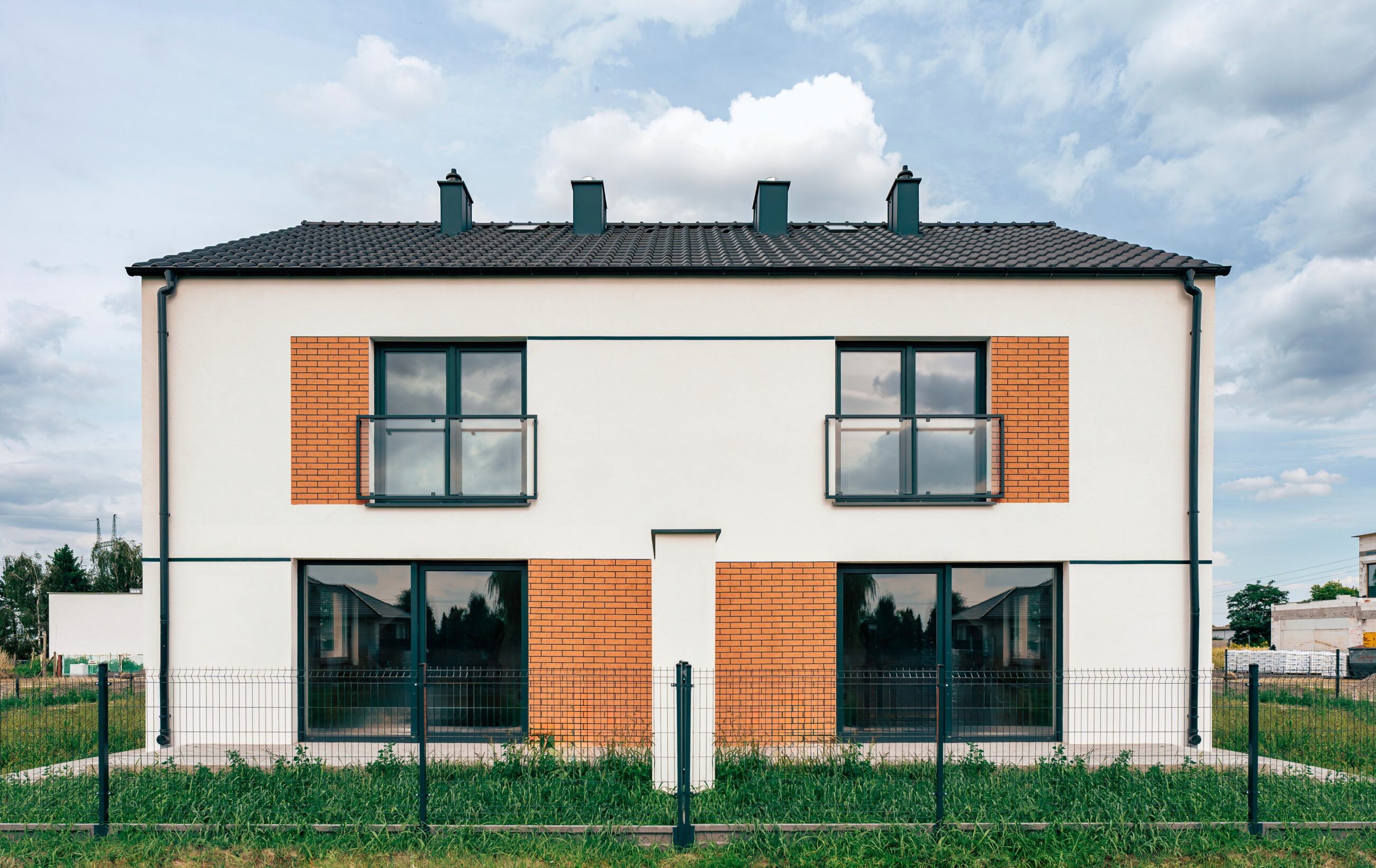
A French balcony is an extremely practical architectural element that is increasingly appearing in modern construction. Although it differs from a traditional balcony, it offers numerous benefits, such as enhanced safety and an improved building façade aesthetic. In this article, we will explore the history, applications, and advantages of the French balcony.
What is a French Balcony?
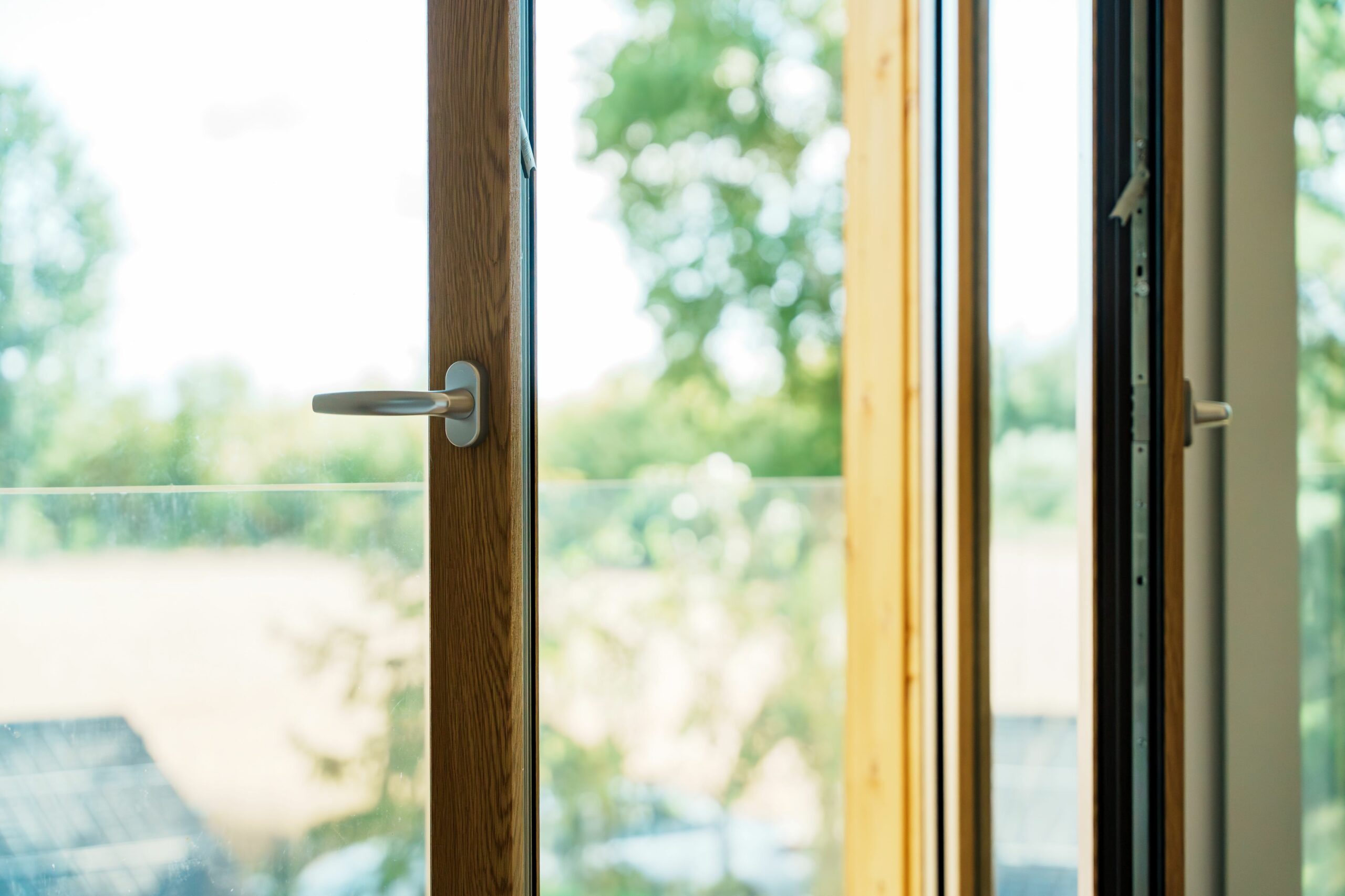
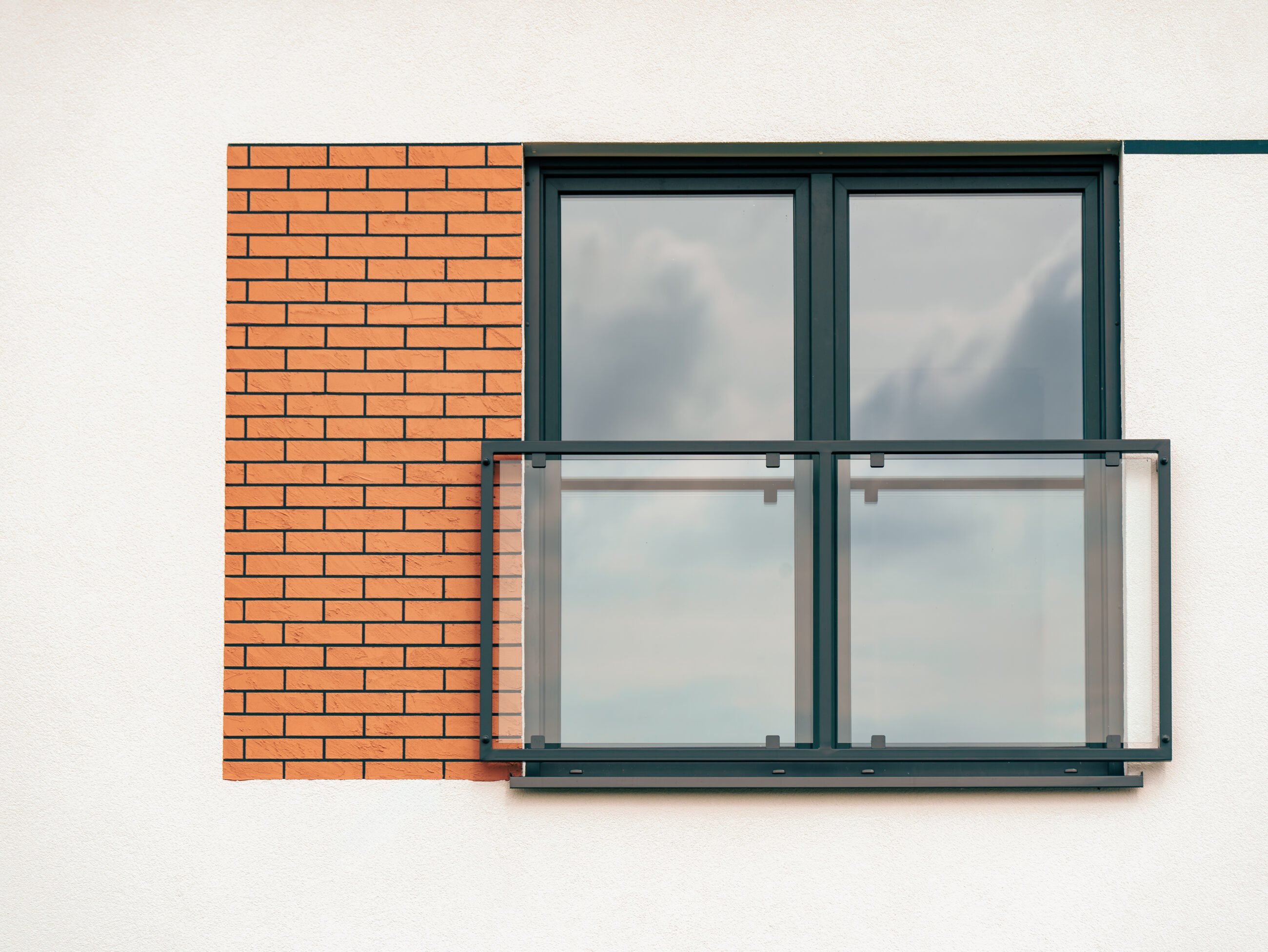
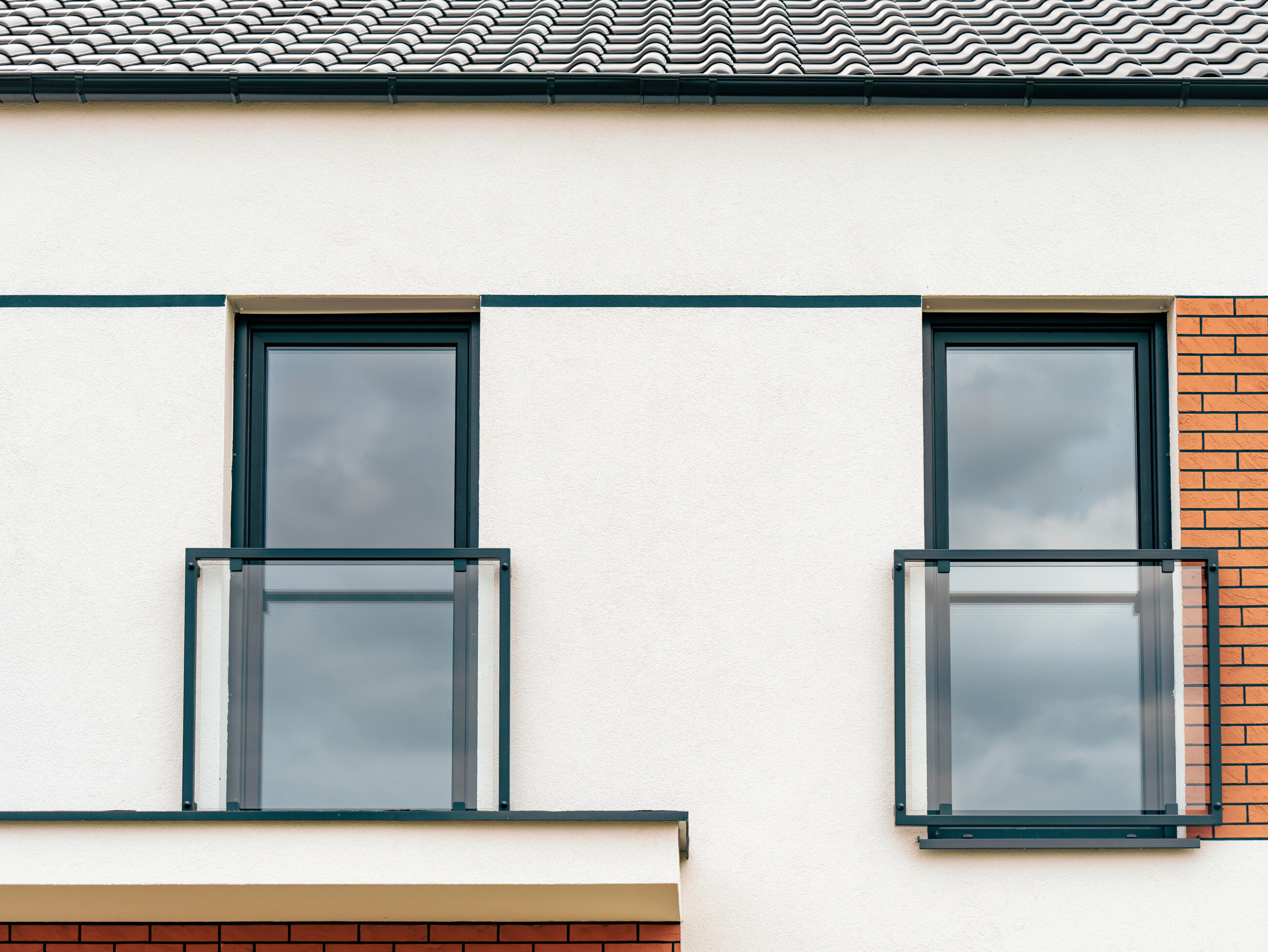
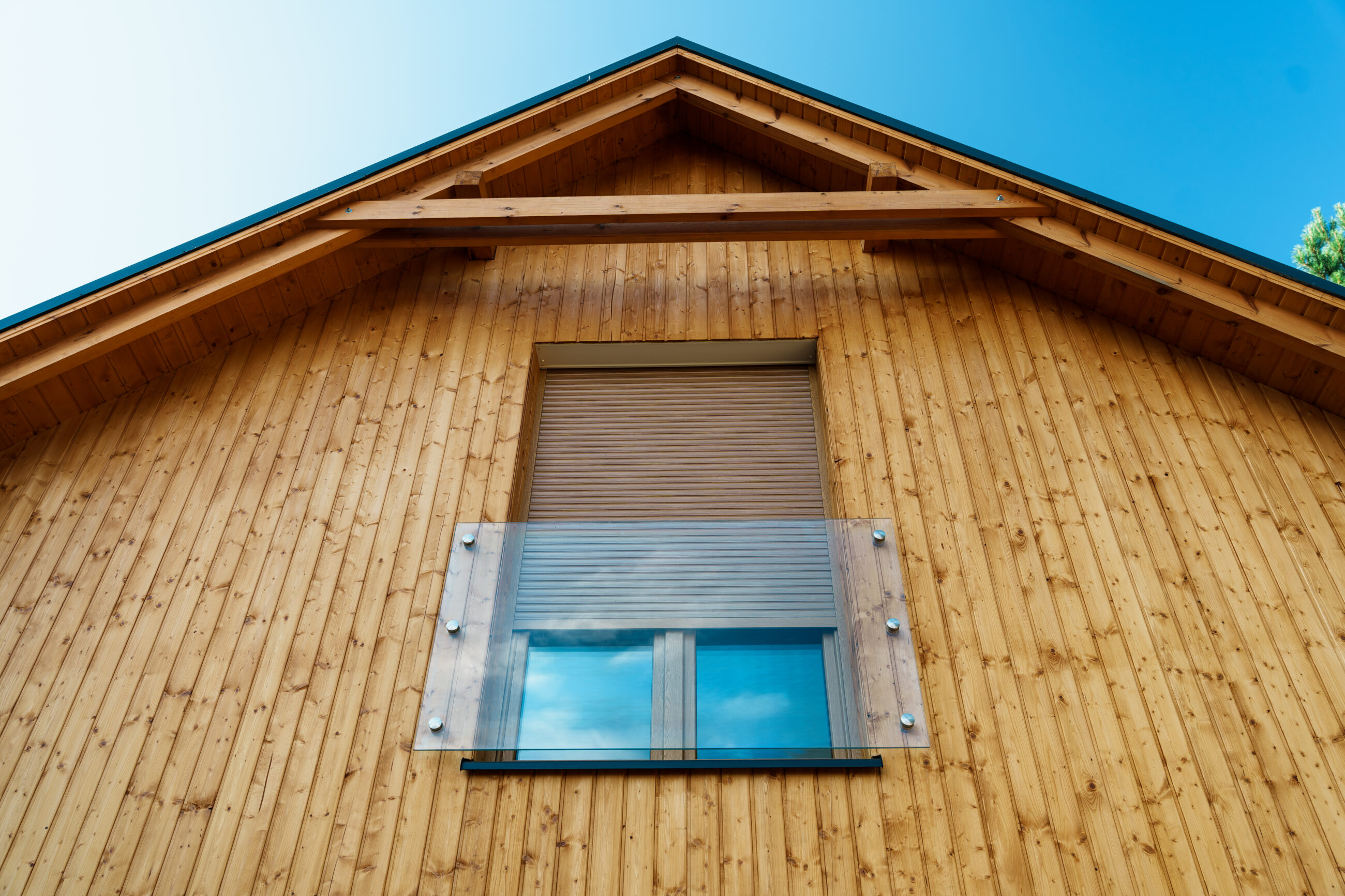
A French balcony, also known as a porte-fenêtre, French railing, or papal balcony, is a distinctive architectural feature primarily designed for safety. Unlike traditional balconies, it does not have an extended platform to step onto. Instead, a porte-fenêtre consists of a large, glazed panel made of laminated toughened glass, which is directly mounted on the building’s façade. This solution allows residents to enjoy a greater sense of security.
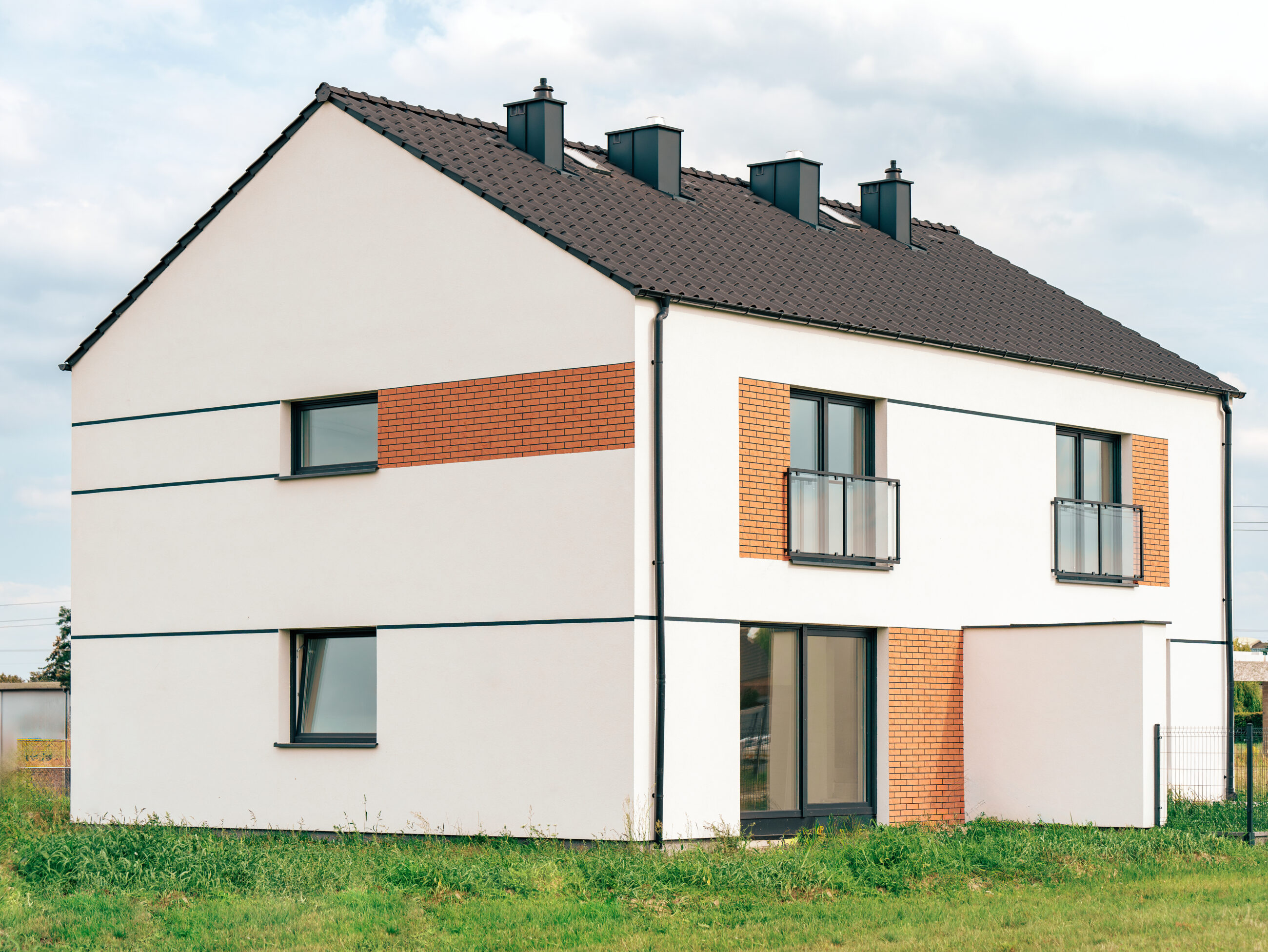
The History of the French Balcony
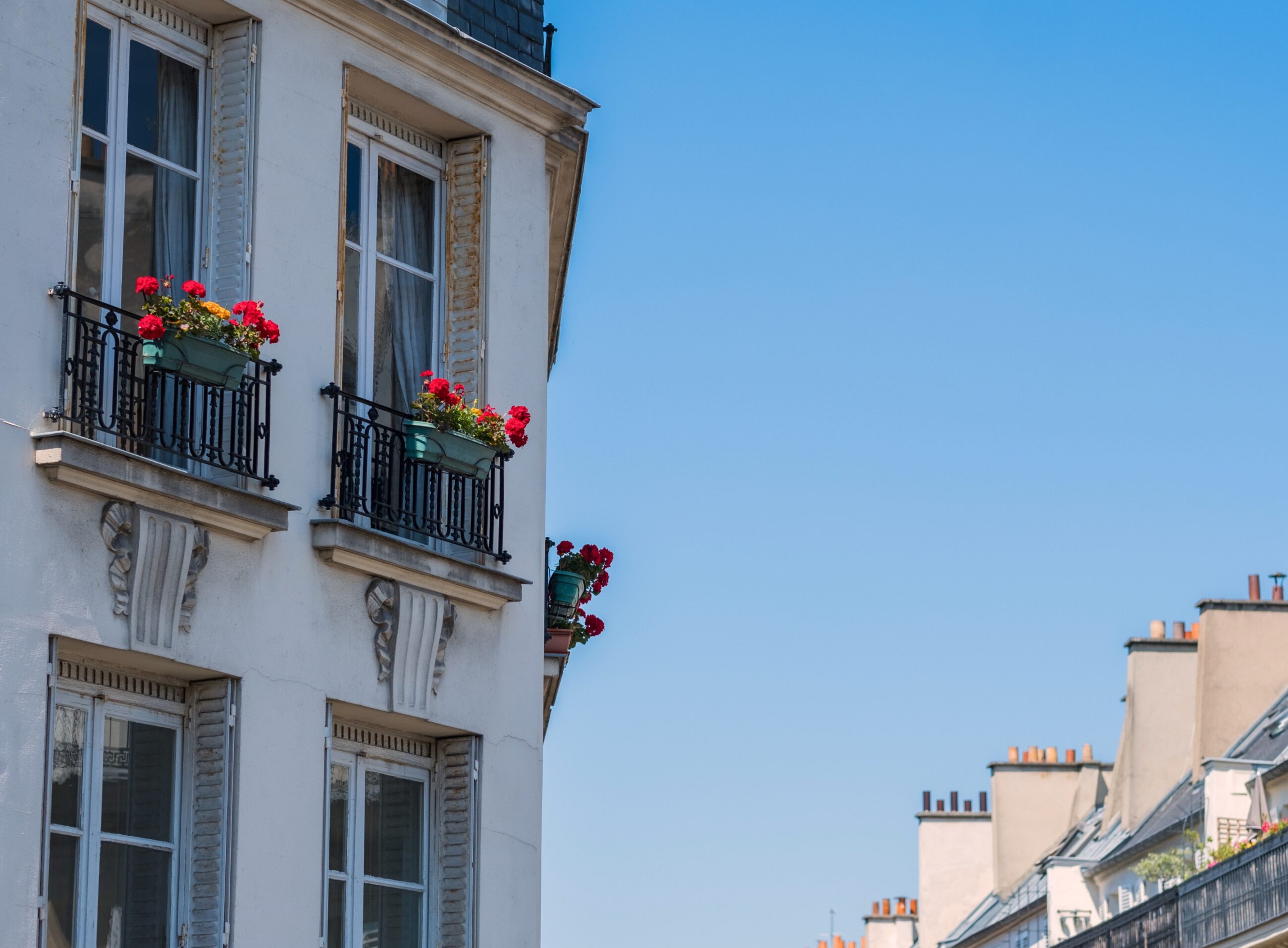
French balconies first appeared in France in the early 17th century. They gained popularity during the Baroque and Classical periods, often adorned with intricate wrought-iron railings that added prestige to buildings. In the 19th and 20th centuries, this architectural feature spread across Europe and later to other continents, becoming a common element in both residential and public-use buildings.
French Balconies in Modern Architecture
Contemporary architecture values simplicity and minimalism, making the French balcony a perfect fit for these trends. Today, it is primarily used in modern multi-family buildings, apartment complexes, and office buildings, where technical or economic constraints often lead to the elimination of full-sized balconies. By incorporating large glass panels, French balconies maximize the use of natural light. In modern designs, French railings are often made of toughened glass, emphasizing the building’s contemporary character while ensuring complete safety.
Advantages of French Balconies
French balconies offer numerous benefits that make them a popular choice in modern construction:
- Safety – Particularly important in multi-story buildings, French railings prevent falls while taking up minimal space. The required height of a French balcony is at least 90 cm (35 inches) in single-family homes and 110 cm (43 inches) in multi-family buildings.
- Space-saving – The absence of a balcony platform allows installation even in highly constrained spaces, such as dense urban areas.
- Aesthetic appeal and elegance – Porte-fenêtres add a sense of lightness and modern character to building façades.
A French balcony is an excellent solution for those who value functionality and safety. Thanks to its versatility, it is used in both classical and modern architecture, enhancing a building’s unique character and improving residents’ comfort.