Choosing the right color for windows is not only a matter of aesthetics but also functionality and harmony with the building’s architecture and interior. This decision can influence the overall appearance of the facade as well as the atmosphere inside. Here are some tips to help you make the best choice so your windows become the perfect complement to your home.
Architectural style of the building
The first step in selecting window colors is to consider the style of the building:
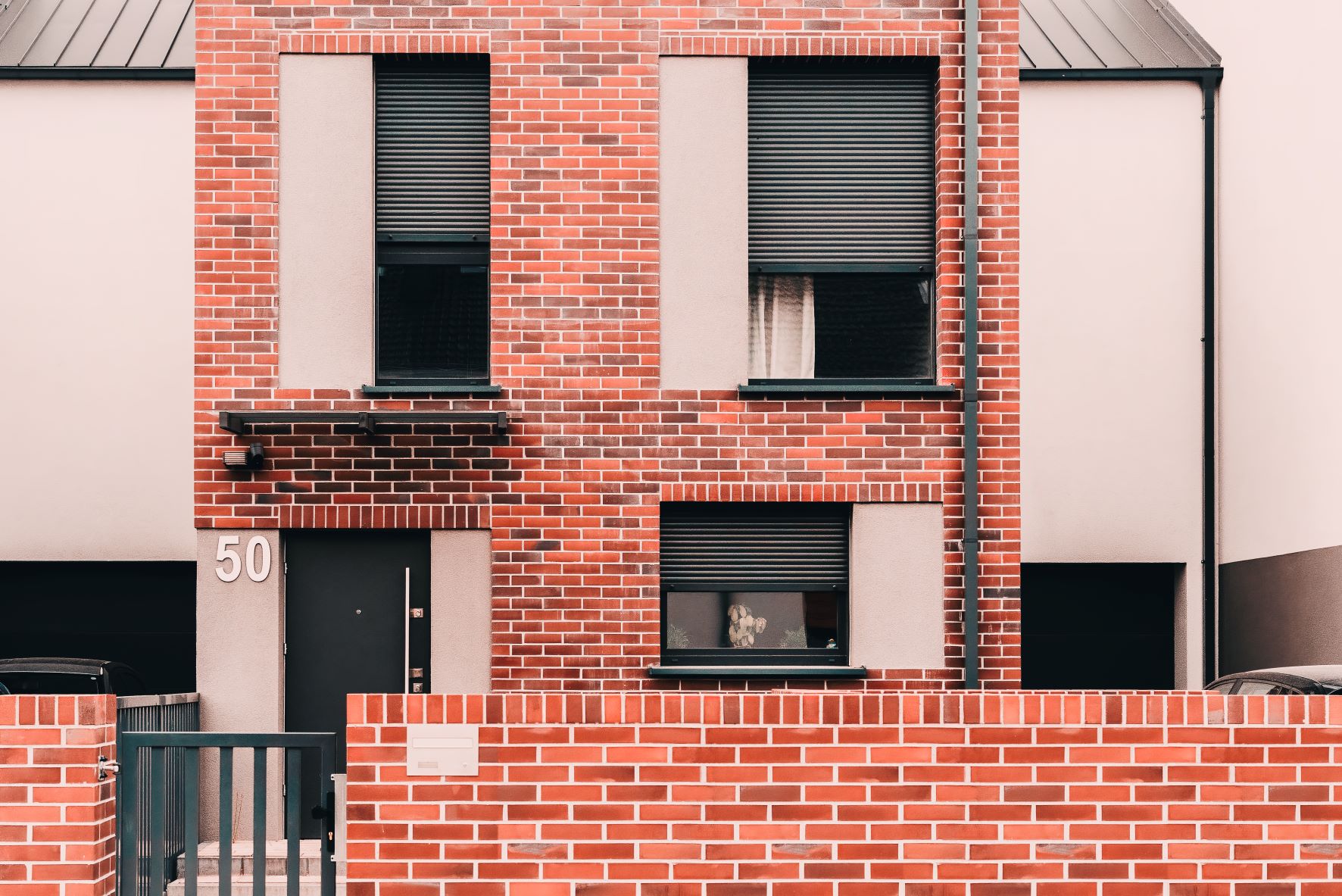
- Traditional homes: For buildings with a classic, rustic, or Victorian style, dark shades such as anthracite or deep green are often chosen. These colors pair well with brick or stone, adding elegance and timeless character to the structure.
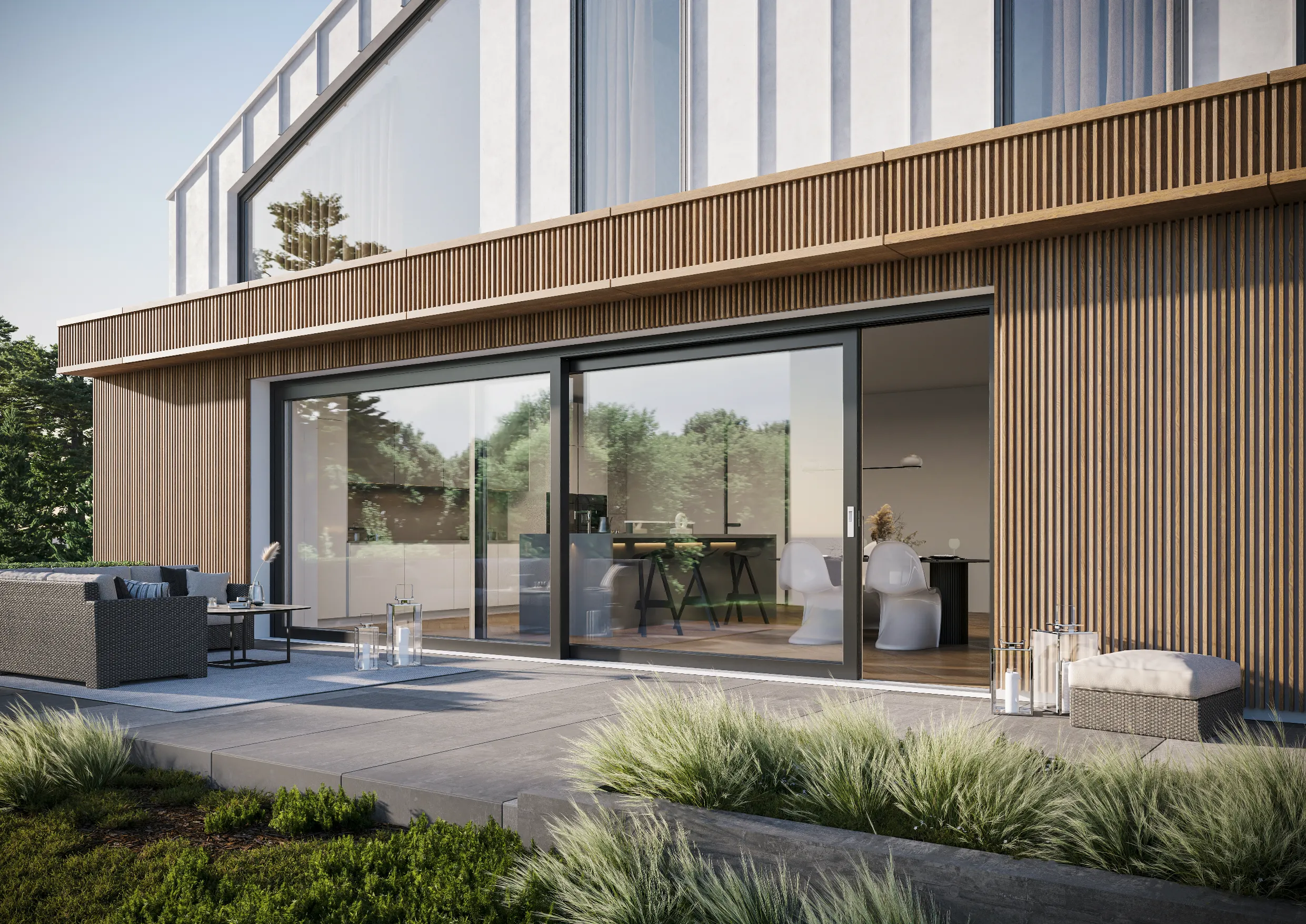
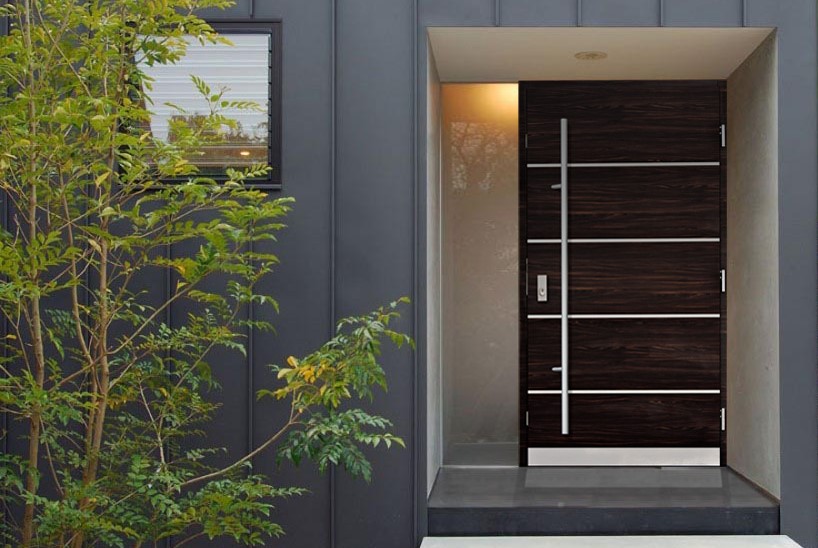
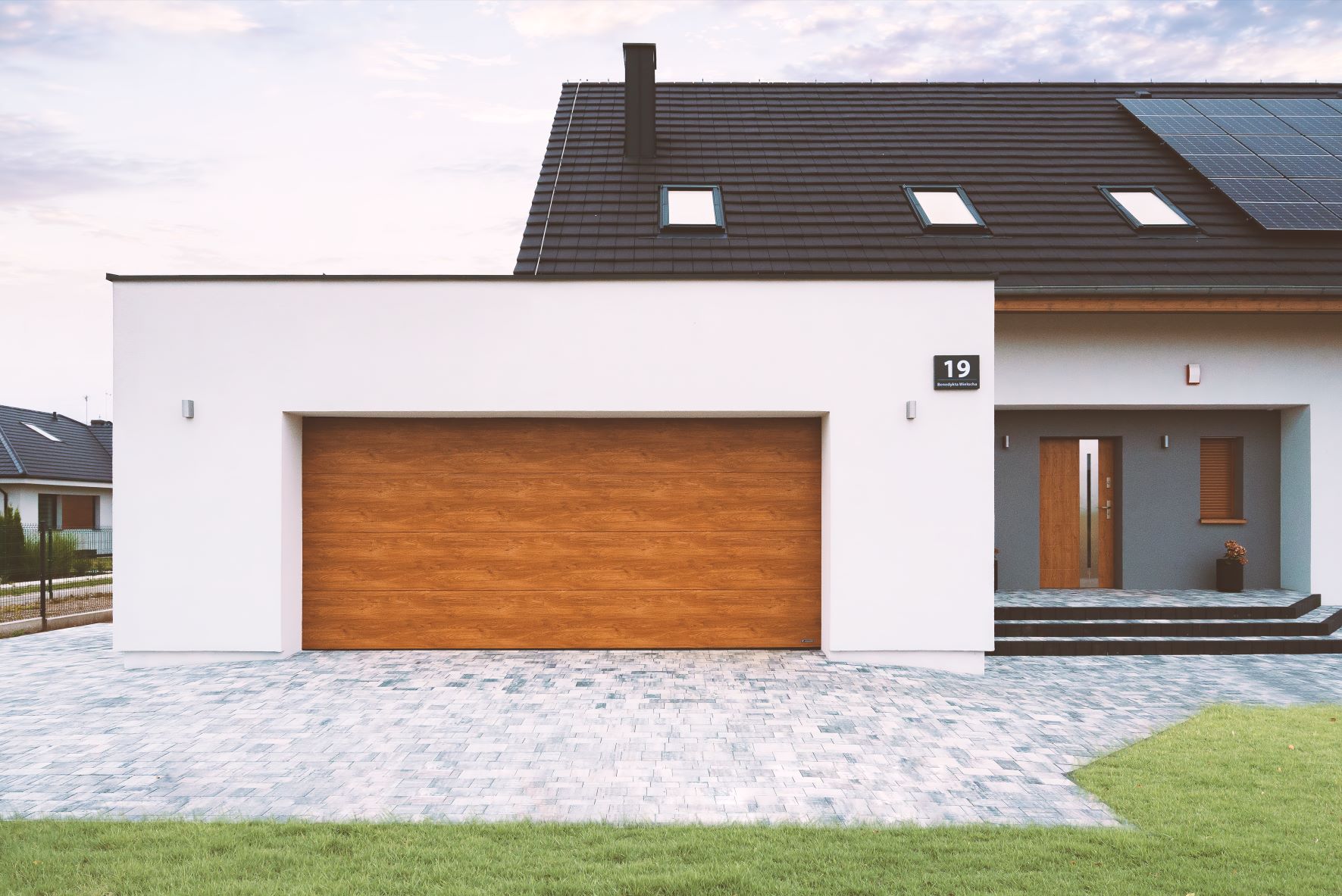
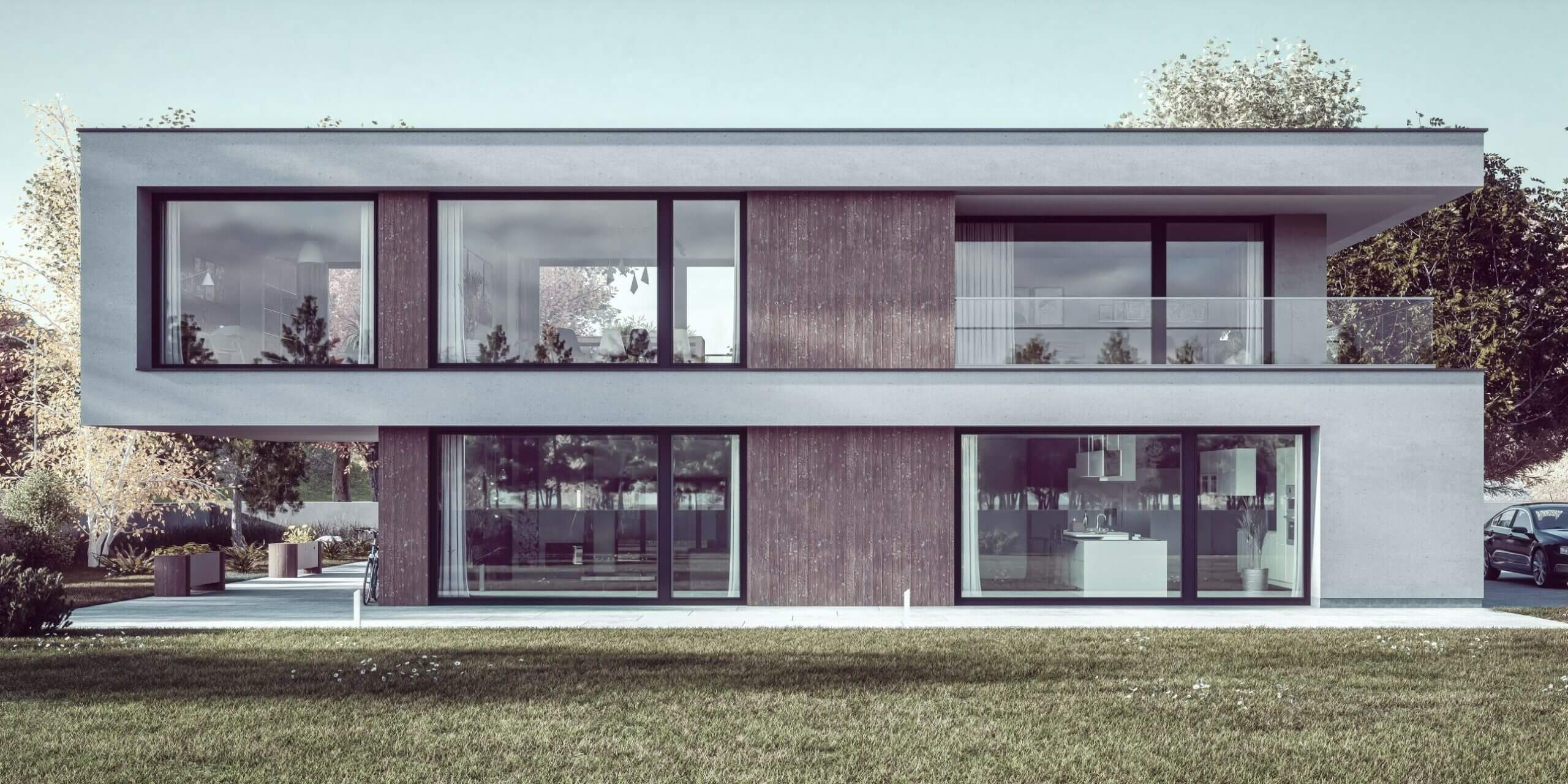
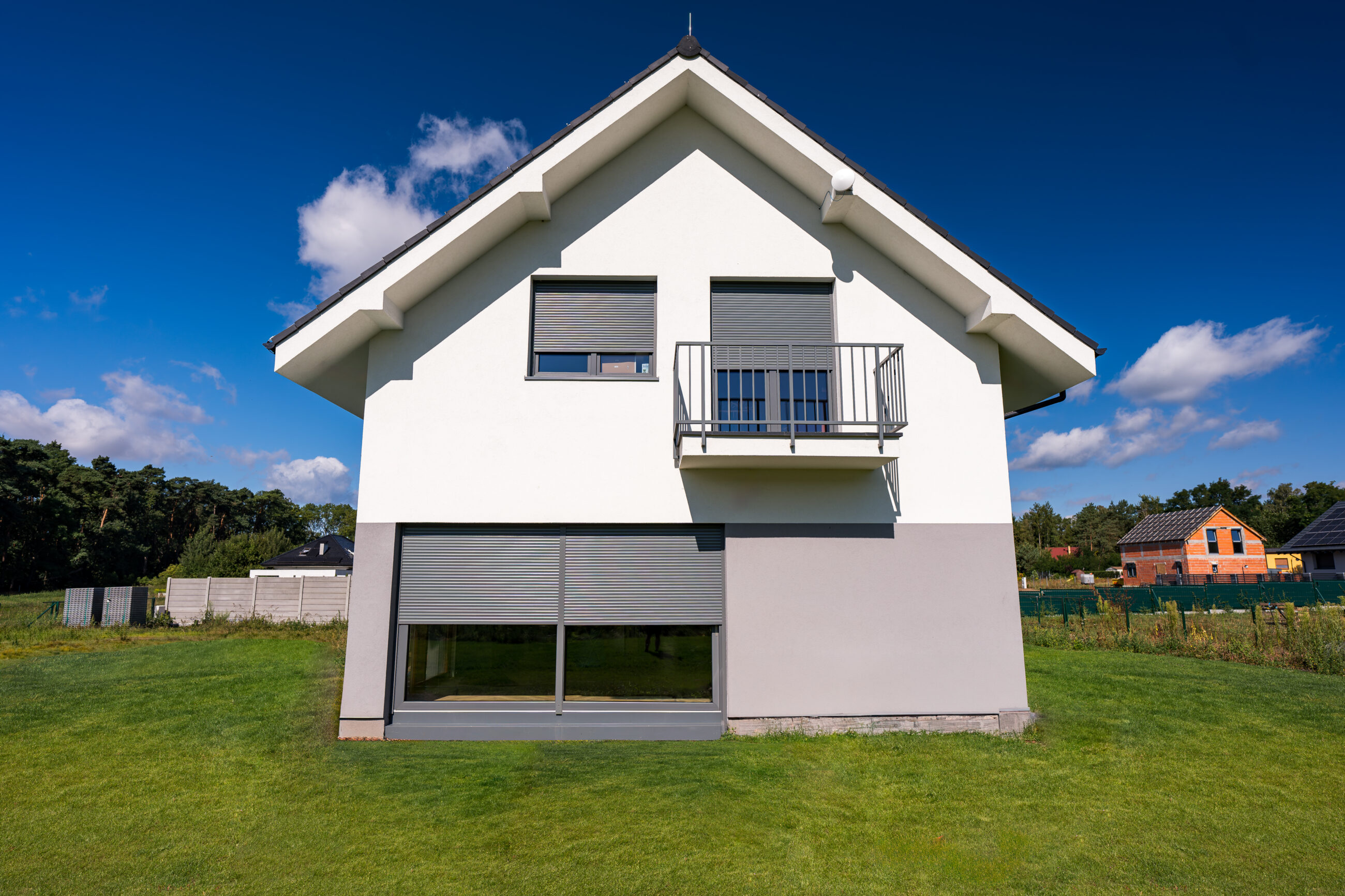
- Modern homes: Contemporary architecture, with its minimalist forms, benefits from windows in shades of gray, white, or black. These tones complement modern facades made of concrete, steel, or glass.
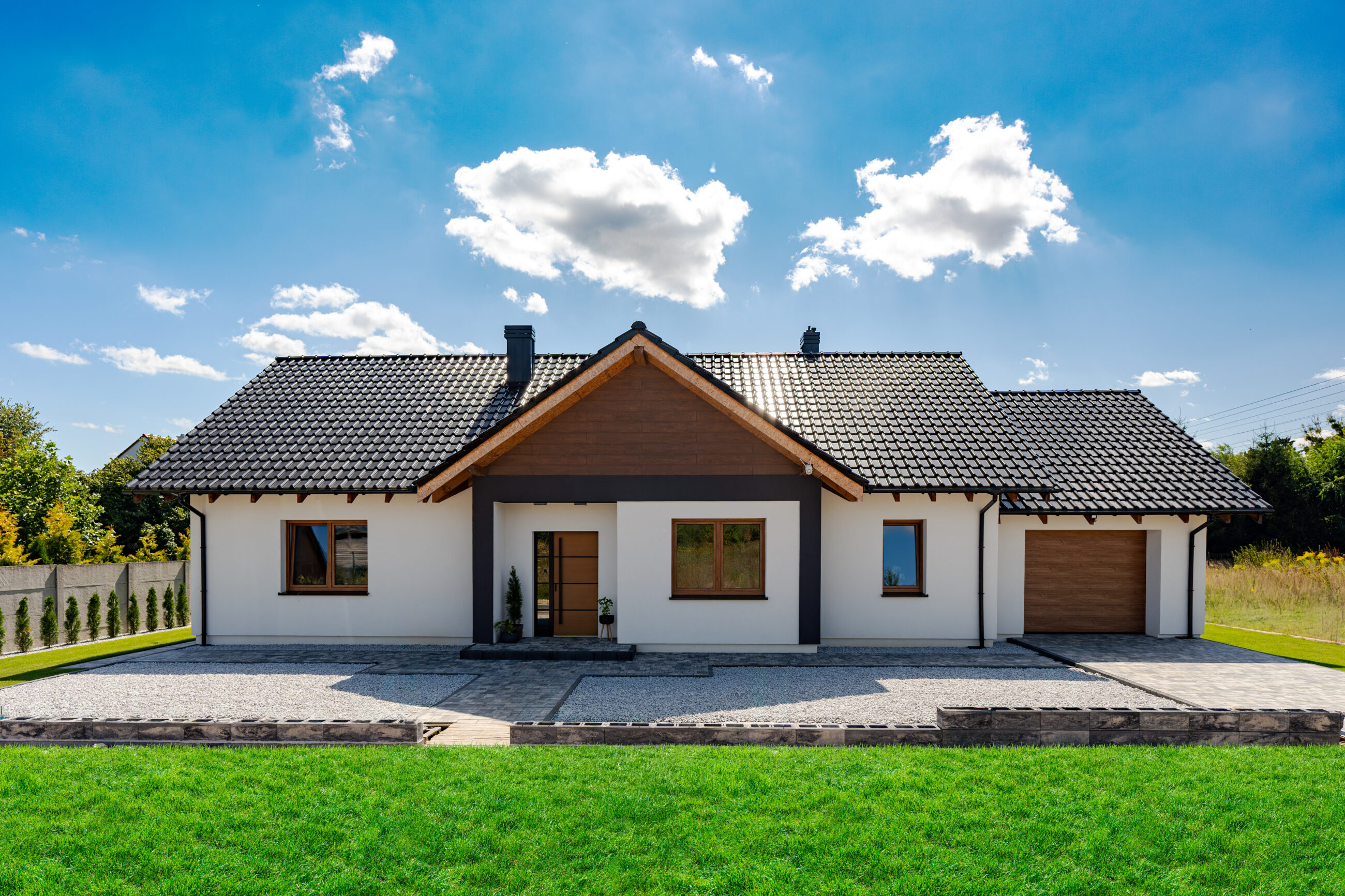
- Cottage-Style Homes: Natural colors like shades of brown, beige, or light green are ideal for a countryside aesthetic. These hues harmonize with wooden elements and give the building a warm, cozy feel.
Matching windows to the color of the facade
The color of the windows should also be chosen in the context of the facade’s color. Here are some general rules to simplify this decision:
- Contrast: If you want your windows to stand out, go for a contrast with the facade color. For instance, dark windows on a light facade or white windows on a dark surface.

- Harmony: If you prefer a more subtle effect, opt for harmonious color combinations. For example, if the facade features neutral tones, you can select windows in similar shades or tones to create a cohesive and understated look.
Color harmony
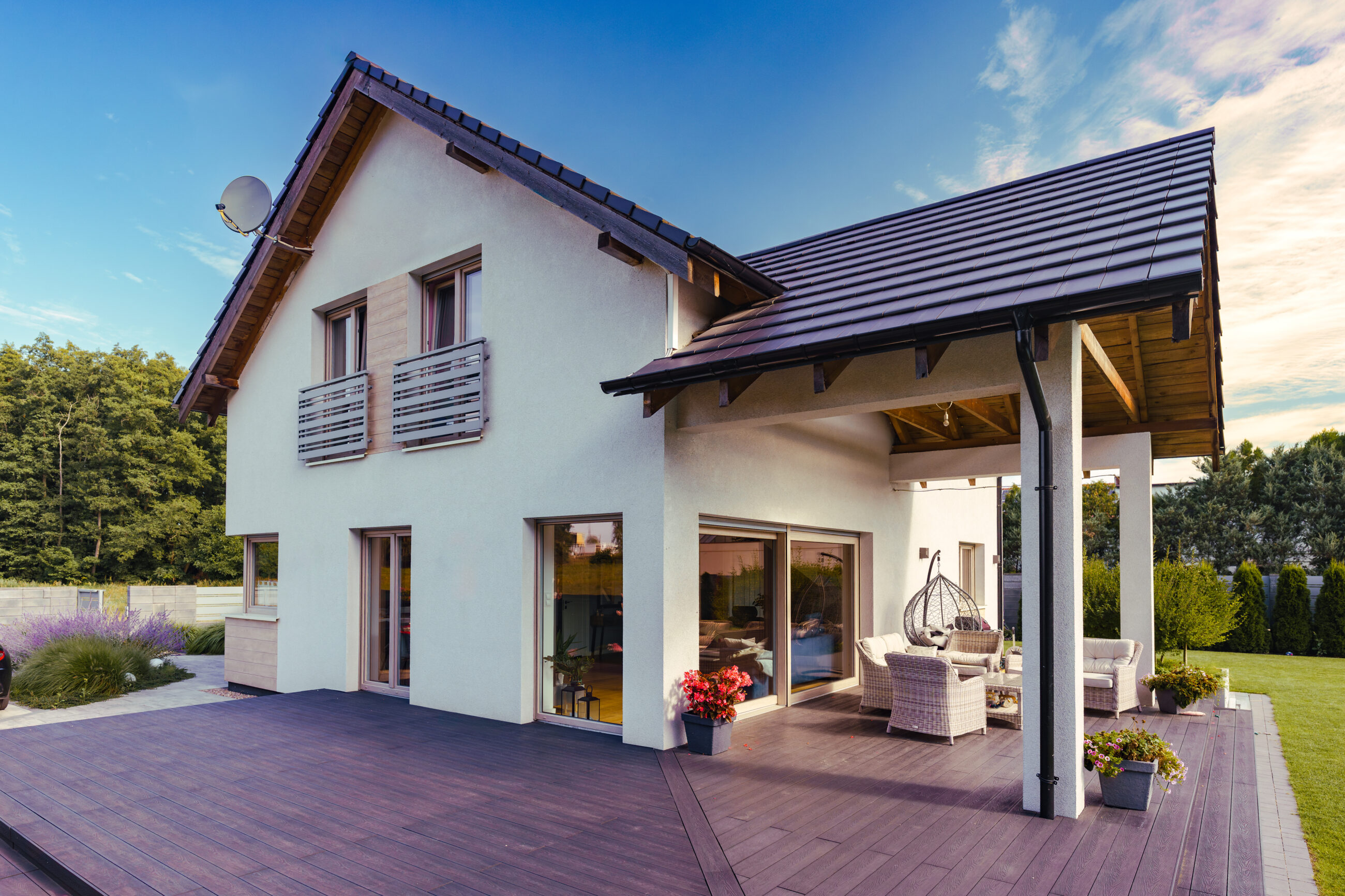
If you prefer subdued solutions, consider windows that harmonize with both the exterior and interior colors. Here are some examples:
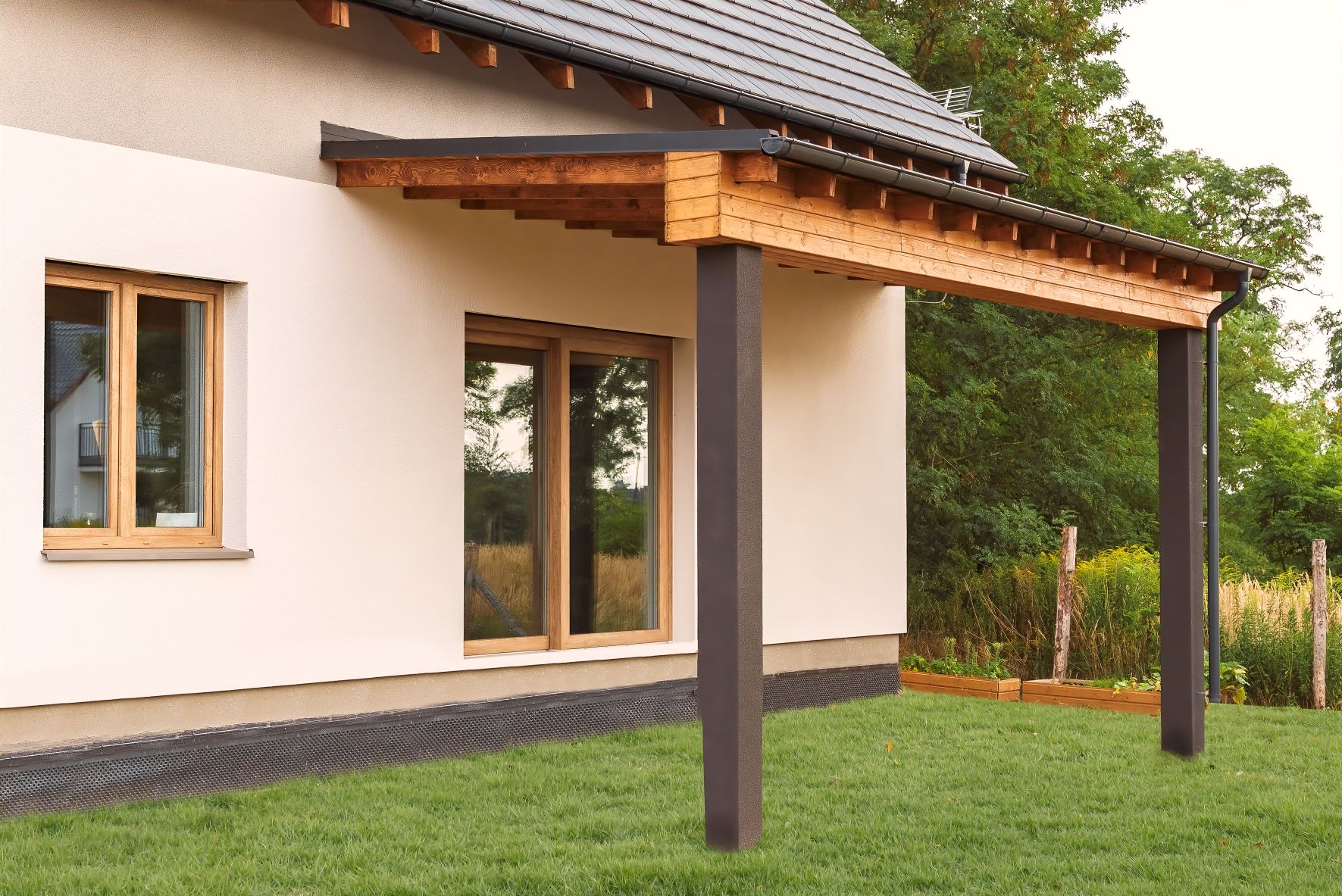
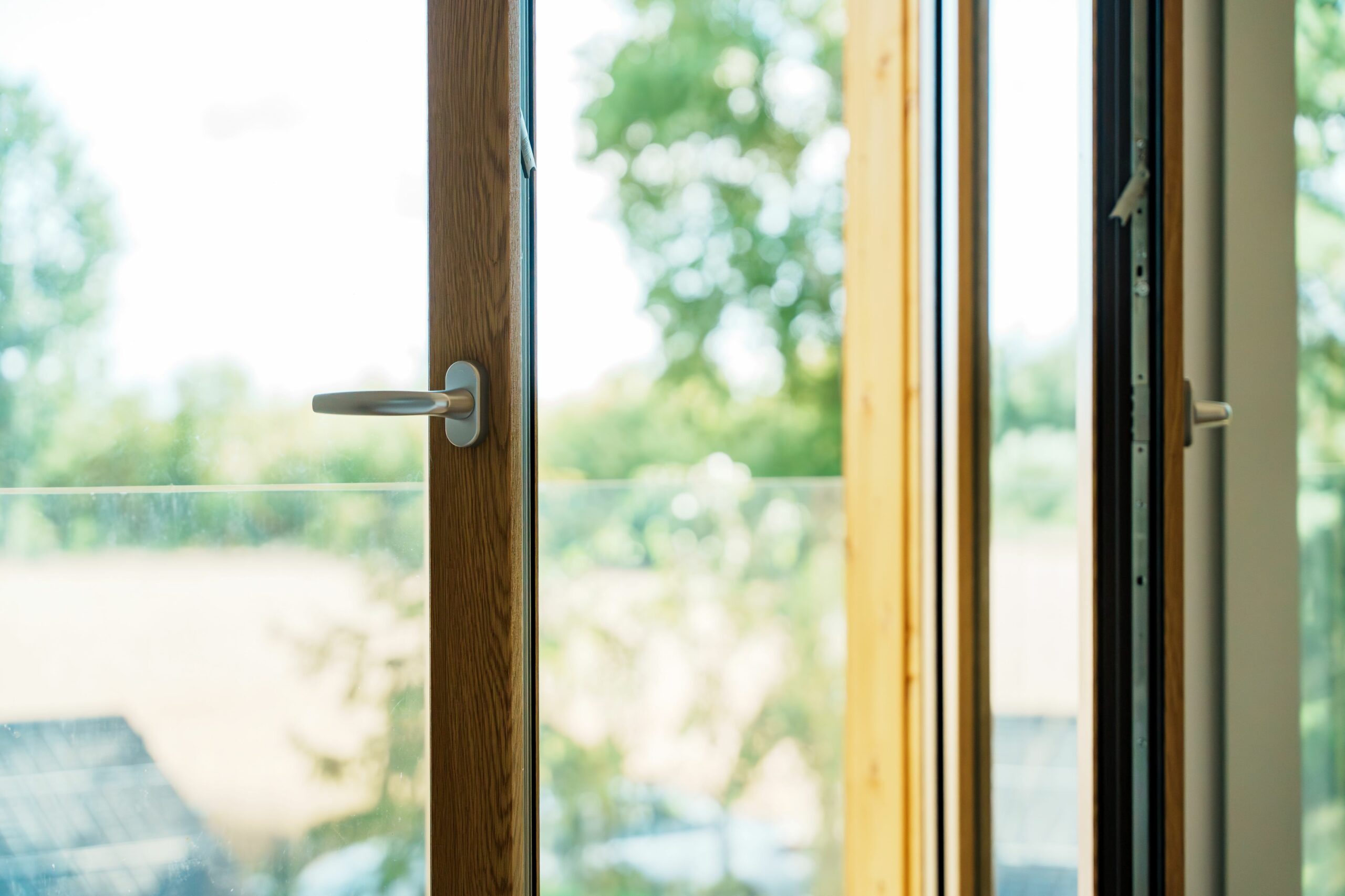
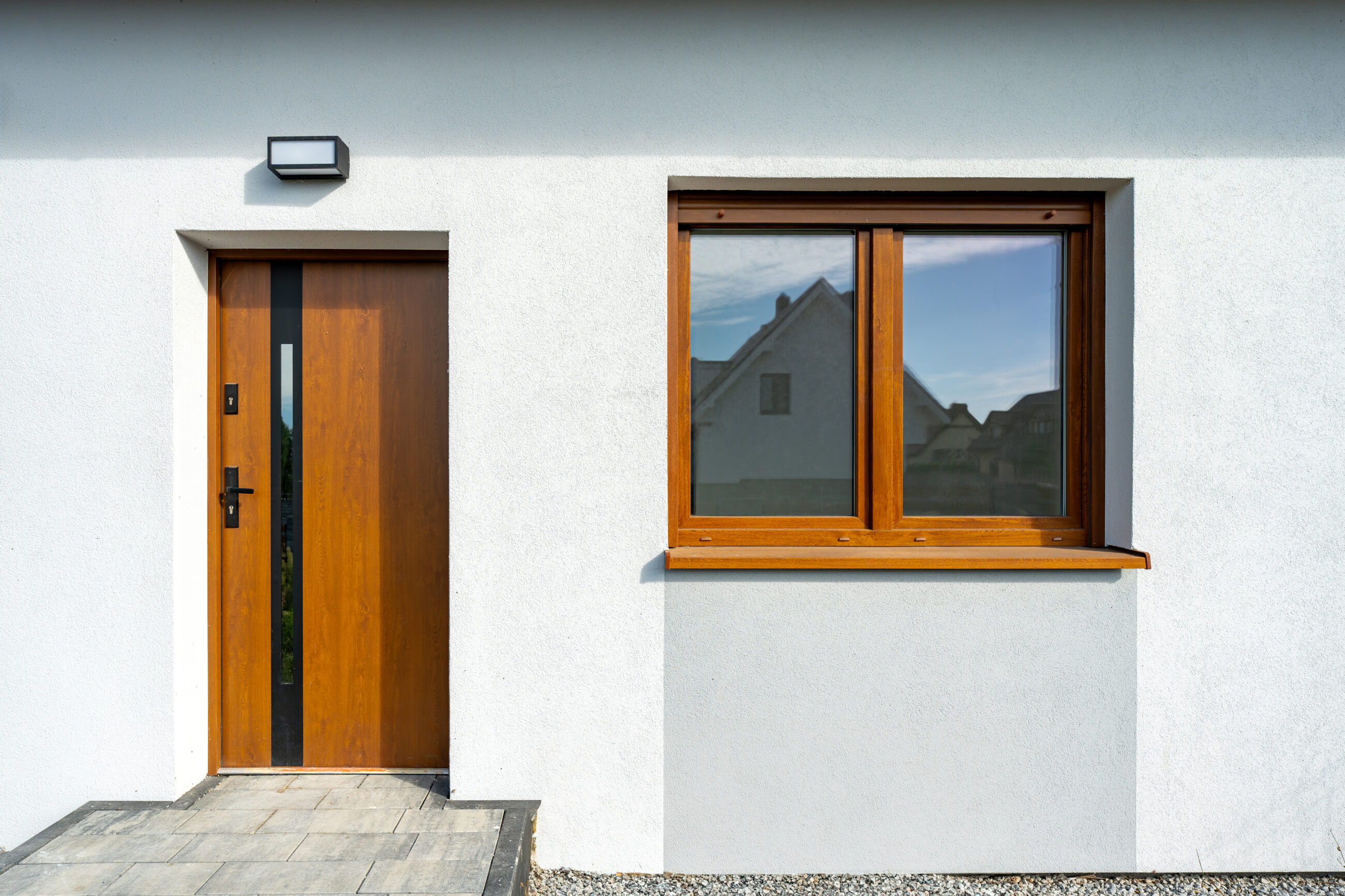
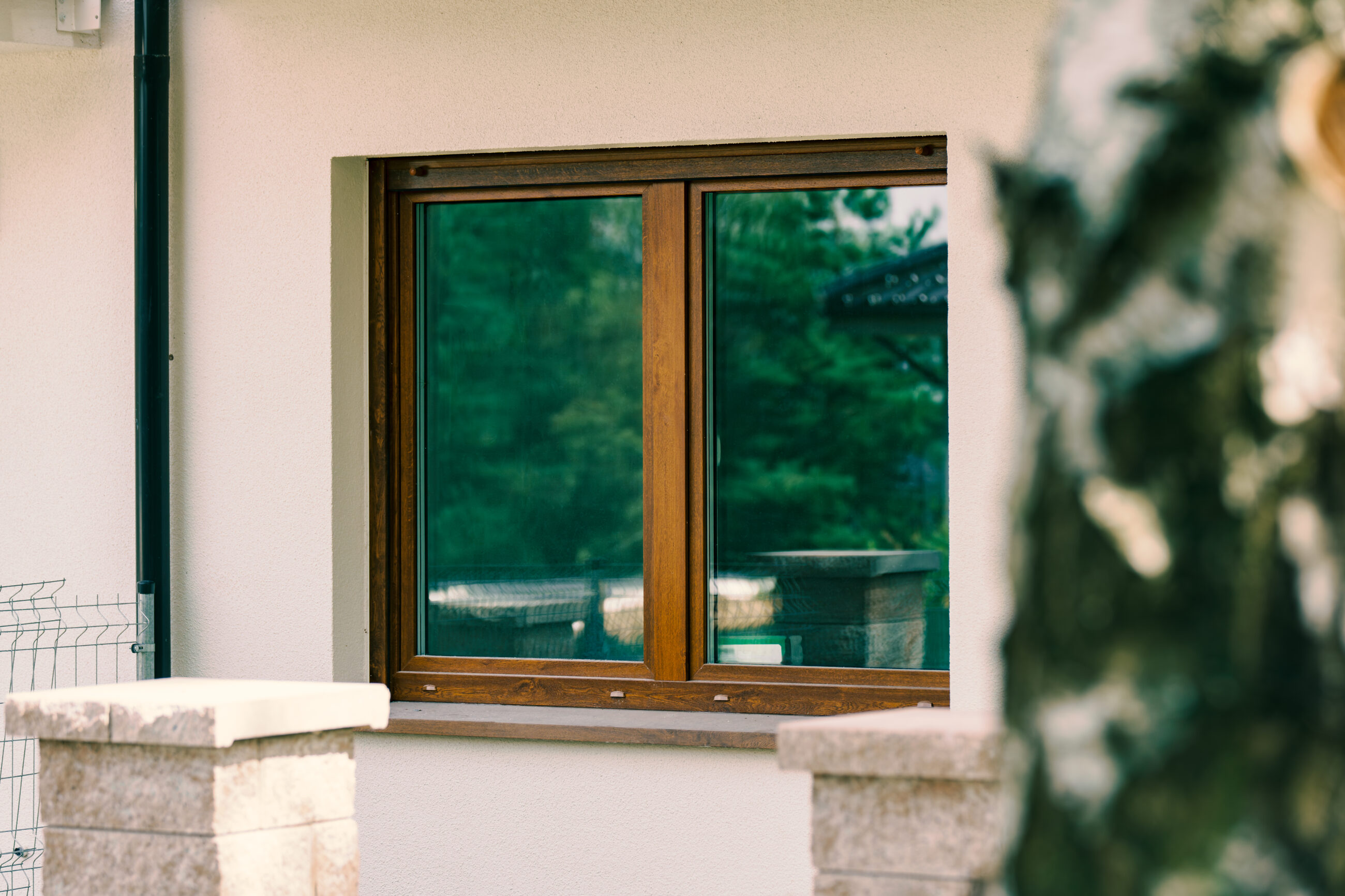
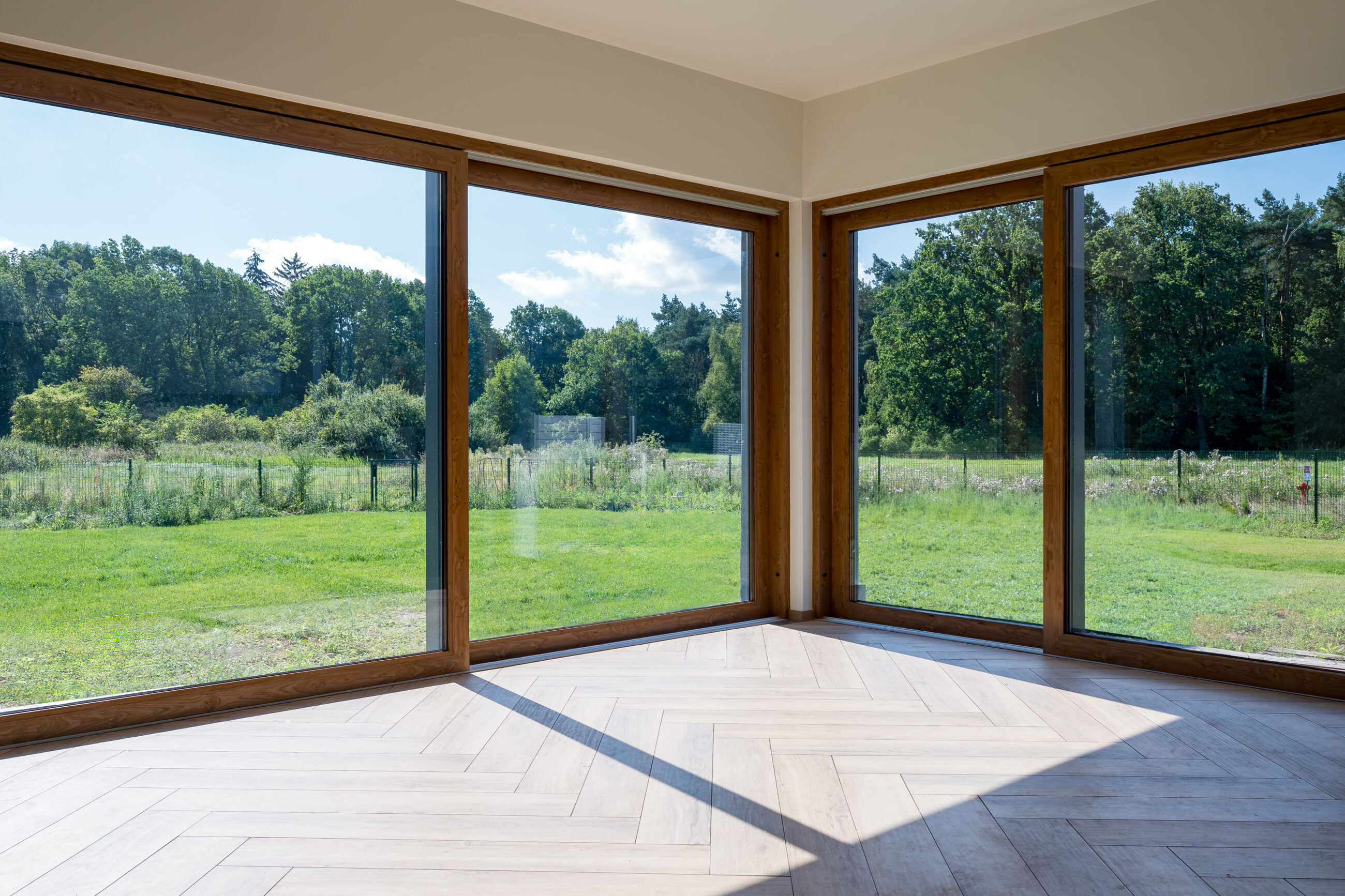
- Wood tones with neutral colors: Wooden-colored windows on the exterior combined with white interior frames are a classic choice that works well for rustic, cottage, or traditional homes. This combination brings warmth and natural appeal both inside and out.
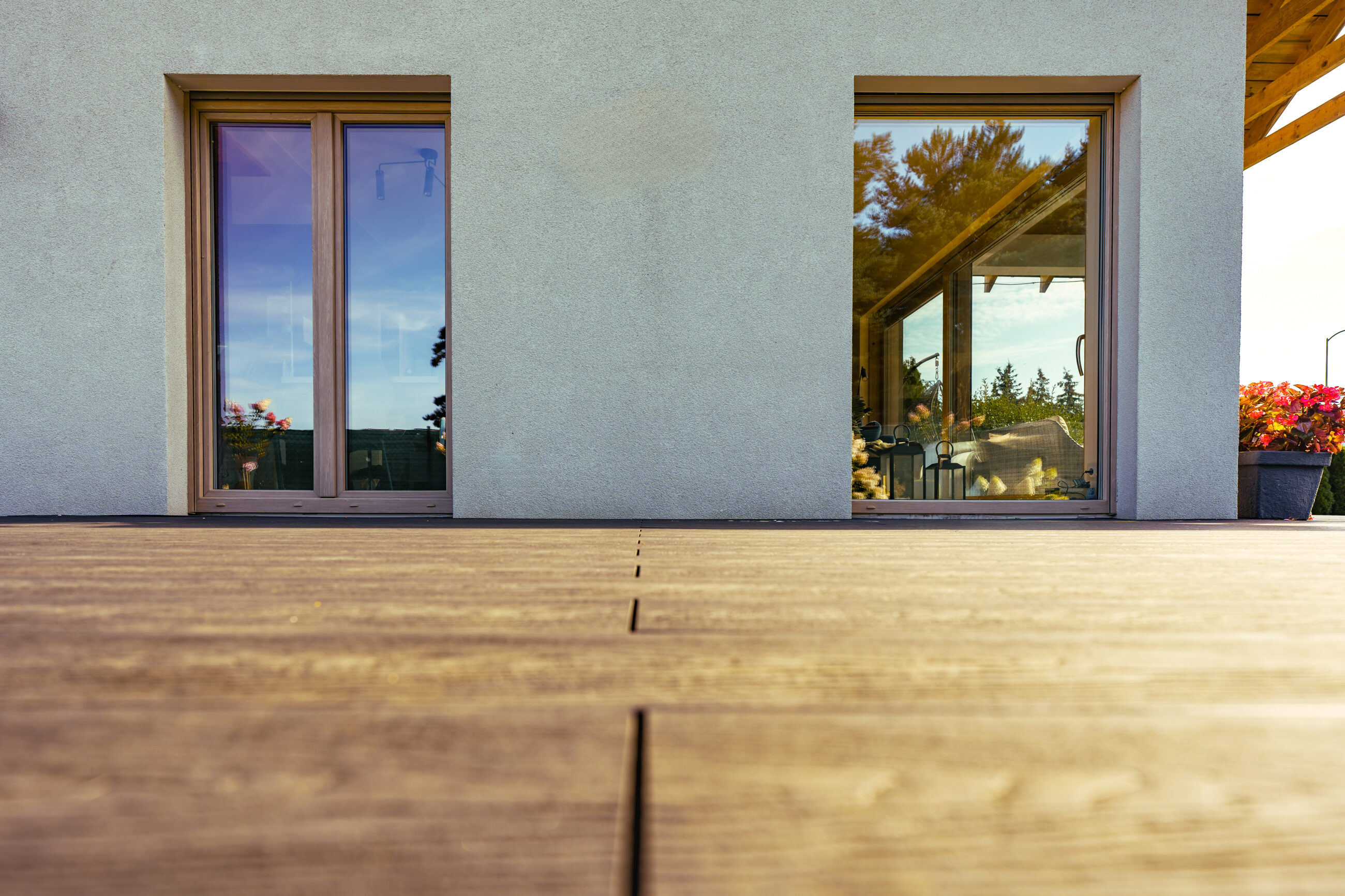
- Light Grays or Beiges: In modern, minimalist interiors, windows in neutral shades like light gray or beige are an excellent choice. These colors are elegant, versatile, and pair well with a wide range of facade colors.
Window color and interior style
The window color not only affects the building’s exterior but also the atmosphere inside. Windows are visible from both outside and within, so their color should complement the interior decor:
- Minimalist interiors: Light window frames (white, gray, beige) pair well with furniture in simple forms and neutral colors such as white, gray, or light wood. This creates a cohesive and airy space. Light window frames also make brightly colored furniture and walls stand out subtly against the neutral window background.
- Classic interiors: Windows in warm wood tones or white emphasize the elegance of classic furniture made of dark or light wood. This color combination lends the interior timeless sophistication and coziness. It’s important for the window color to harmonize with wooden finishes such as parquet flooring or door frames, creating a cohesive classical aesthetic.
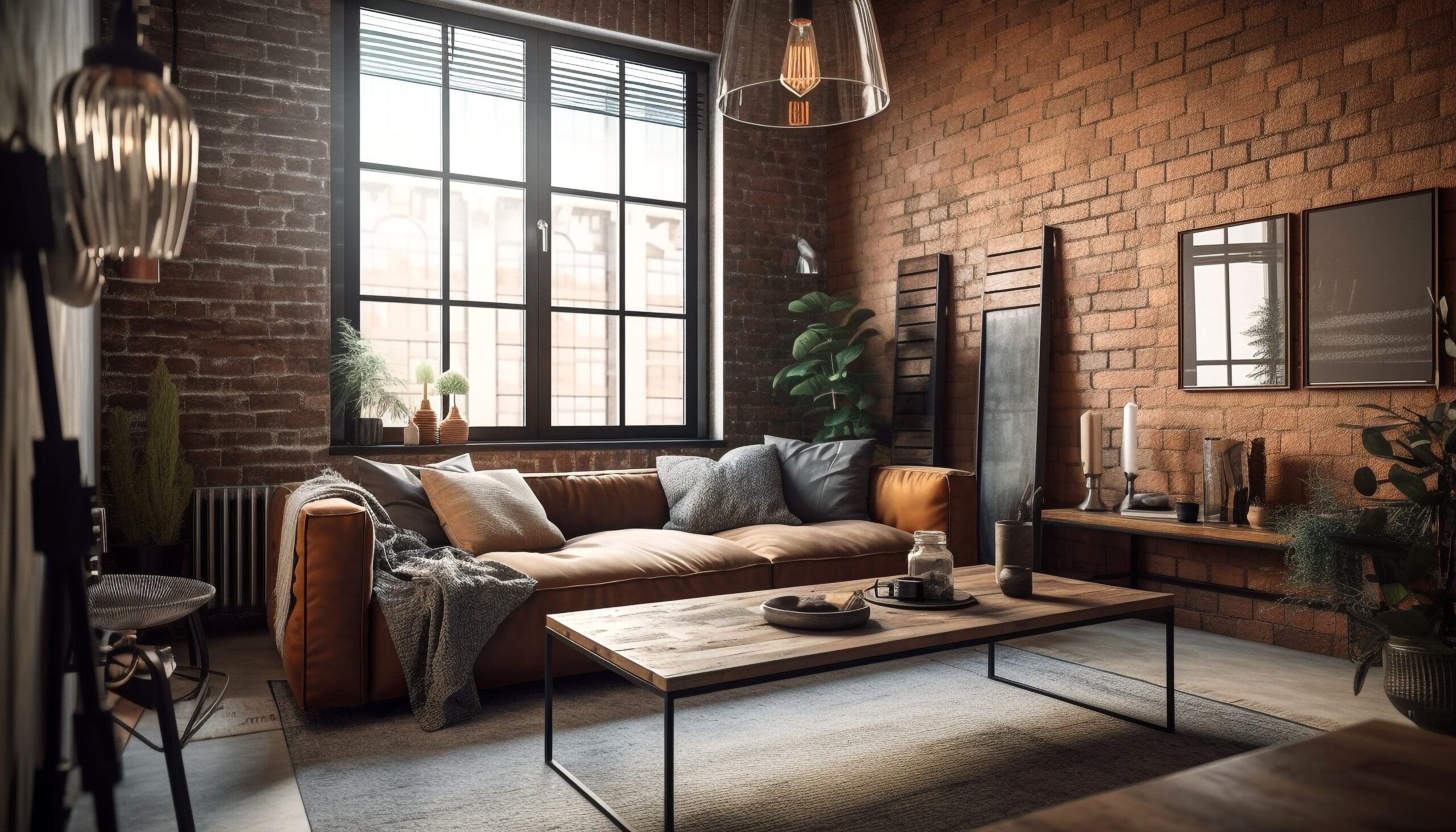
- Industrial interiors: Dark window frames (black, graphite, anthracite) are perfect for raw furniture made of metal and wood, as well as colors like gray, black, rusty brown, or brick red. They create a striking contrast and enhance the loft-like character of the space. Dark frames add depth to the room and highlight accent elements such as industrial lamps, concrete surfaces, or steel structures.
Functional aspects of window colors
In addition to aesthetics, window colors also impact their functionality. Consider how different colors respond to weather conditions and affect the building’s energy efficiency:
- Darker Colors: Windows in darker shades, like anthracite or black, absorb more heat, which may affect their performance. Large black elements are not recommended for south-facing installations.
- Lighter Colors: White and light-colored windows reflect more light, improving interior illumination. They also create a fresh appearance and visually enlarge the space.
Personalization and individual style
Thanks to modern technologies, windows now come in a wide range of colors and finishes, allowing you to perfectly match them to your preferences. Options like wood-effect windows, metallic finishes, or RAL color accents give you full freedom to create a unique style.
Bicolor windows – a perfect solution for modern buildings
In recent years, dual-color windows (known as bicolor) have gained popularity, combining different colors on the exterior and interior of the same window. This is an excellent solution for those who want to maintain harmony with the external surroundings while aligning window aesthetics with the interior style.
Why choose bicolor windows?
Bicolor windows combine aesthetic and practical benefits. The exterior of the window can match the facade’s color scheme, while the interior aligns with the walls and furniture.
Integration with other materials
Bicolor windows can also harmonize with other materials used on the building’s exterior and interior. For example:
- Dark wood exterior with white interiors: These pair beautifully with wooden elements such as cladding, terraces, or pergolas. This ensures the windows integrate seamlessly into the overall design.
- Contrasting finishes: In modern architecture, windows are often combined with metallic elements like stainless steel or aluminum. In such cases, darker exterior windows pair well with cooler metal tones, while the interior frames can feature lighter colors like white or gray.
FAQ:
1.Are dark-colored windows harder to keep clean?
Darker-colored windows, such as anthracite, black, or deep green, show dirt less visibly.
2.Are bicolor windows more expensive than single-color ones?
Bicolor windows, featuring different colors on the exterior and interior, may be more expensive than standard single-color windows due to the advanced production process and the use of various materials.