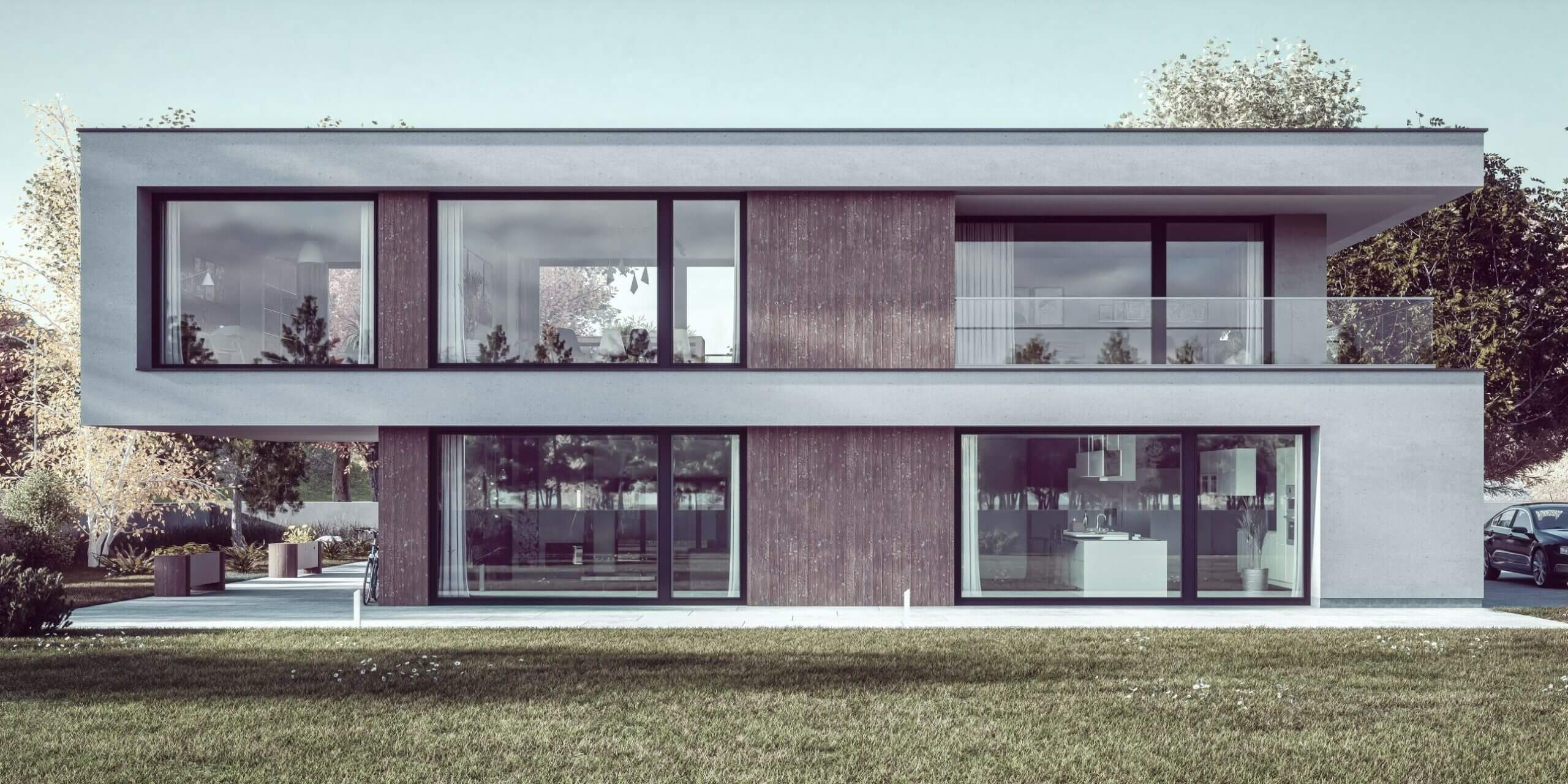
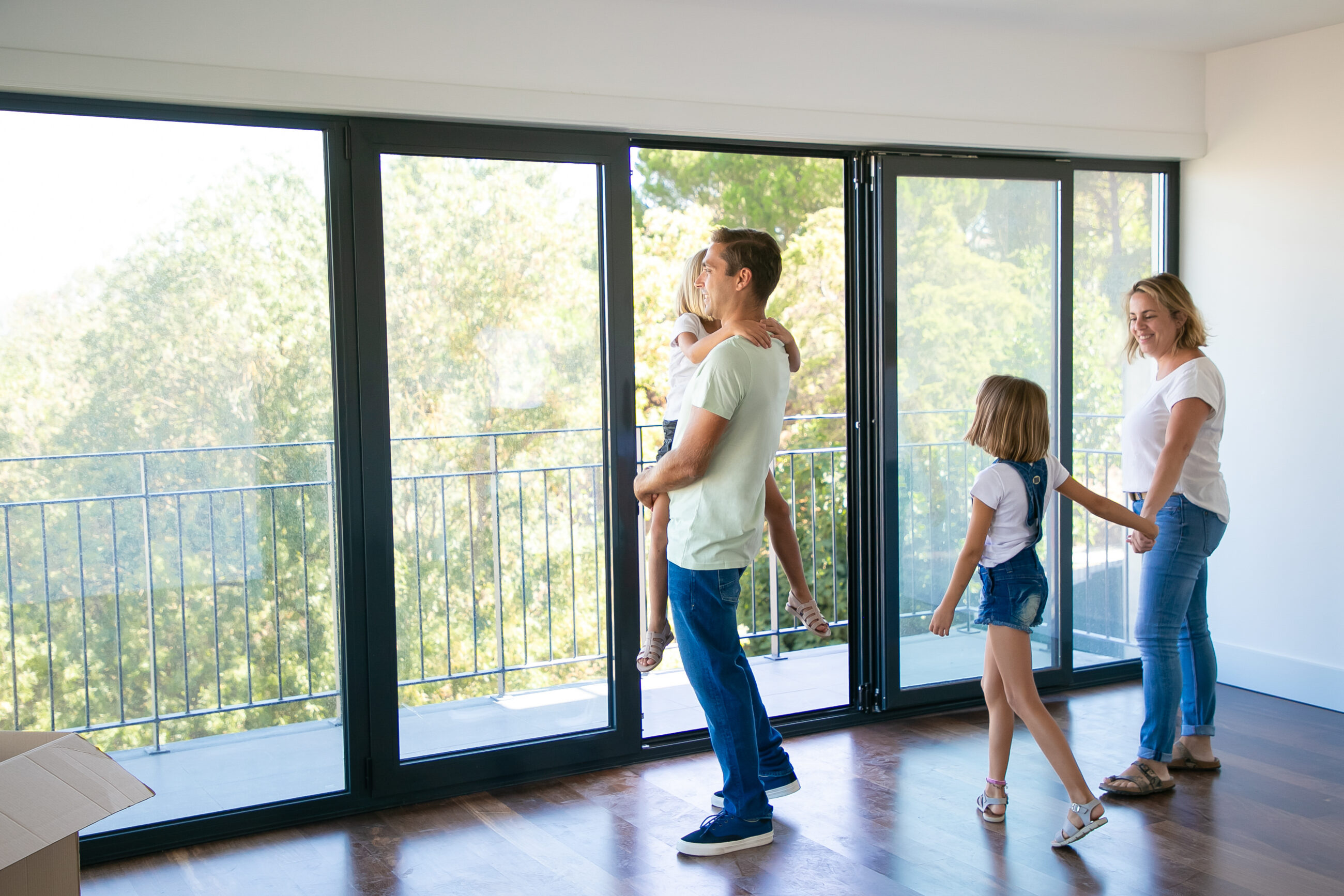
When choosing windows for a house or apartment, we usually focus on their appearance, which should match the planned interior design, and on technical properties. However, we often overlook an important aspect – the orientation of the windows relative to the cardinal directions. Yet it is precisely this factor that determines at what time of day and to what extent sunlight will enter specific rooms.
East-facing windows
East-facing windows provide intense lighting primarily in the morning hours, before the sun reaches its peak in the sky. Morning light effectively brightens rooms without causing them to overheat, as can happen with south- or west-facing exposure. As a result, temperatures drop in these rooms in the afternoon, making the space noticeably cooler. Therefore, east-facing windows work best in rooms used in the morning – later in the day, they may lack sufficient daylight.
This orientation is especially suitable for bedrooms. People who wake up early will appreciate the natural morning light, which supports gentle awakening. For those who prefer to sleep in, we recommend external blinds or other coverings to block the early sunlight.
East-facing windows are also a good choice for kitchens. These rooms tend to heat up during cooking anyway, so additional sunlight isn’t necessary.
However, placing the living room or office on the east side might not be optimal. The changing amount of light throughout the day can reduce the comfort and functionality of these spaces.

West-facing windows
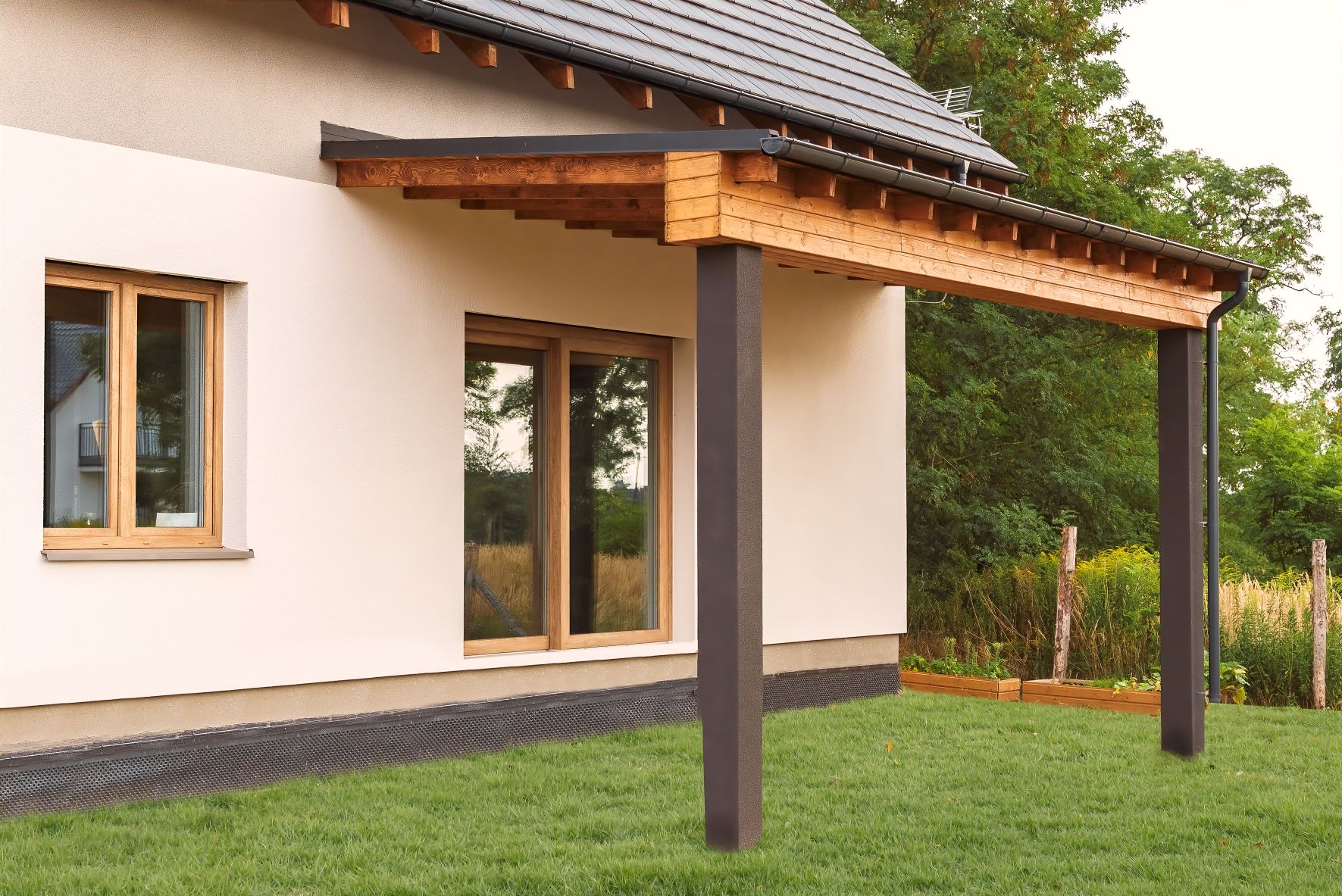
West-facing windows allow you to enjoy natural light until the late afternoon, which is why the west side of a house is a great place for a terrace or garden. A large amount of light coming through patio doors also makes it ideal to place the living room on this side. However, it’s worth noting that west-facing windows can lead to overheating in warmer months – installing external blinds or facade shutters can effectively address this issue.
West-facing windows are best for rooms that are actively used in the second half of the day and where you want to enjoy daylight as long as possible.
Keep in mind, however, that in the morning this orientation provides relatively little light.
North-facing windows
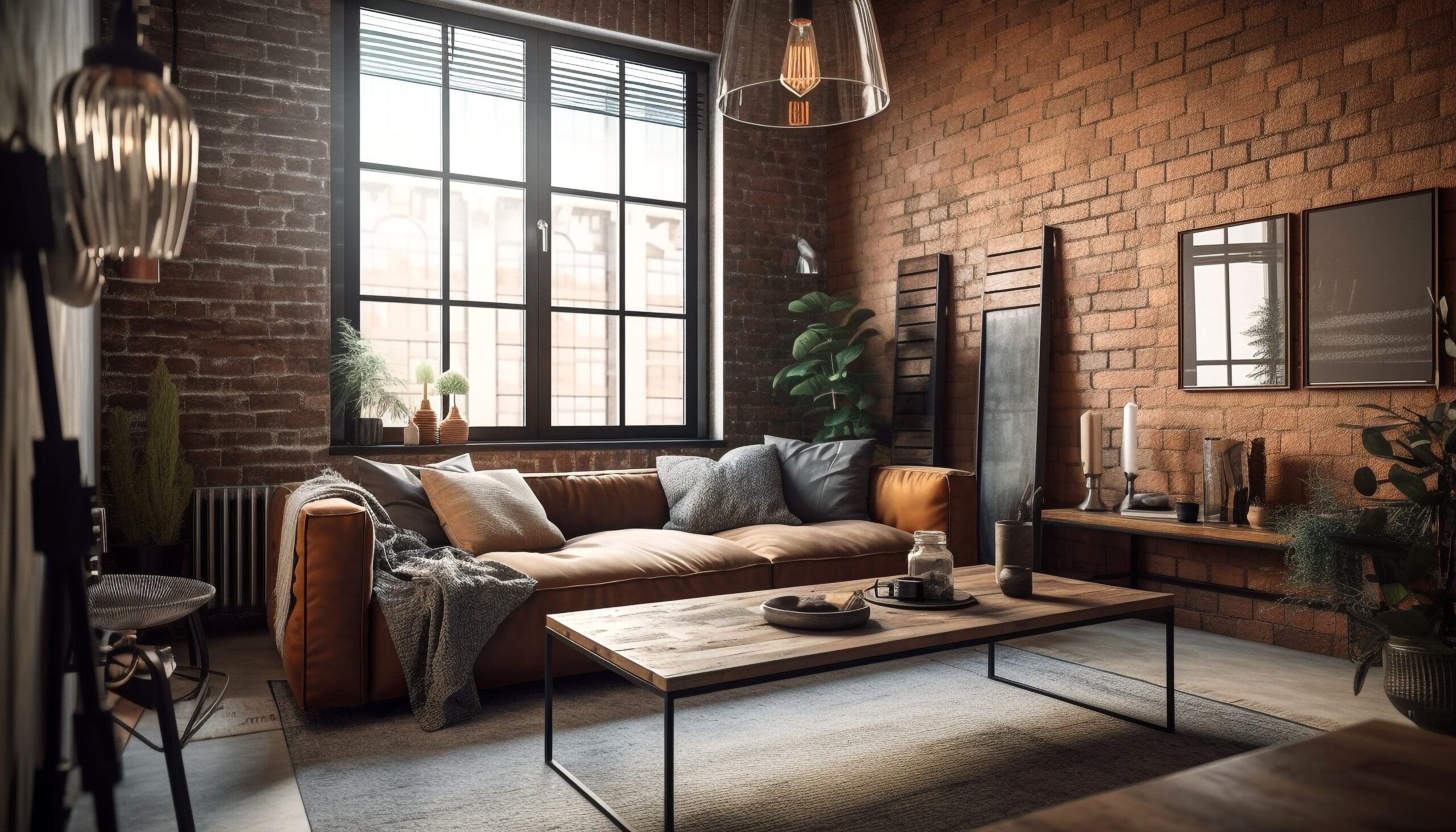
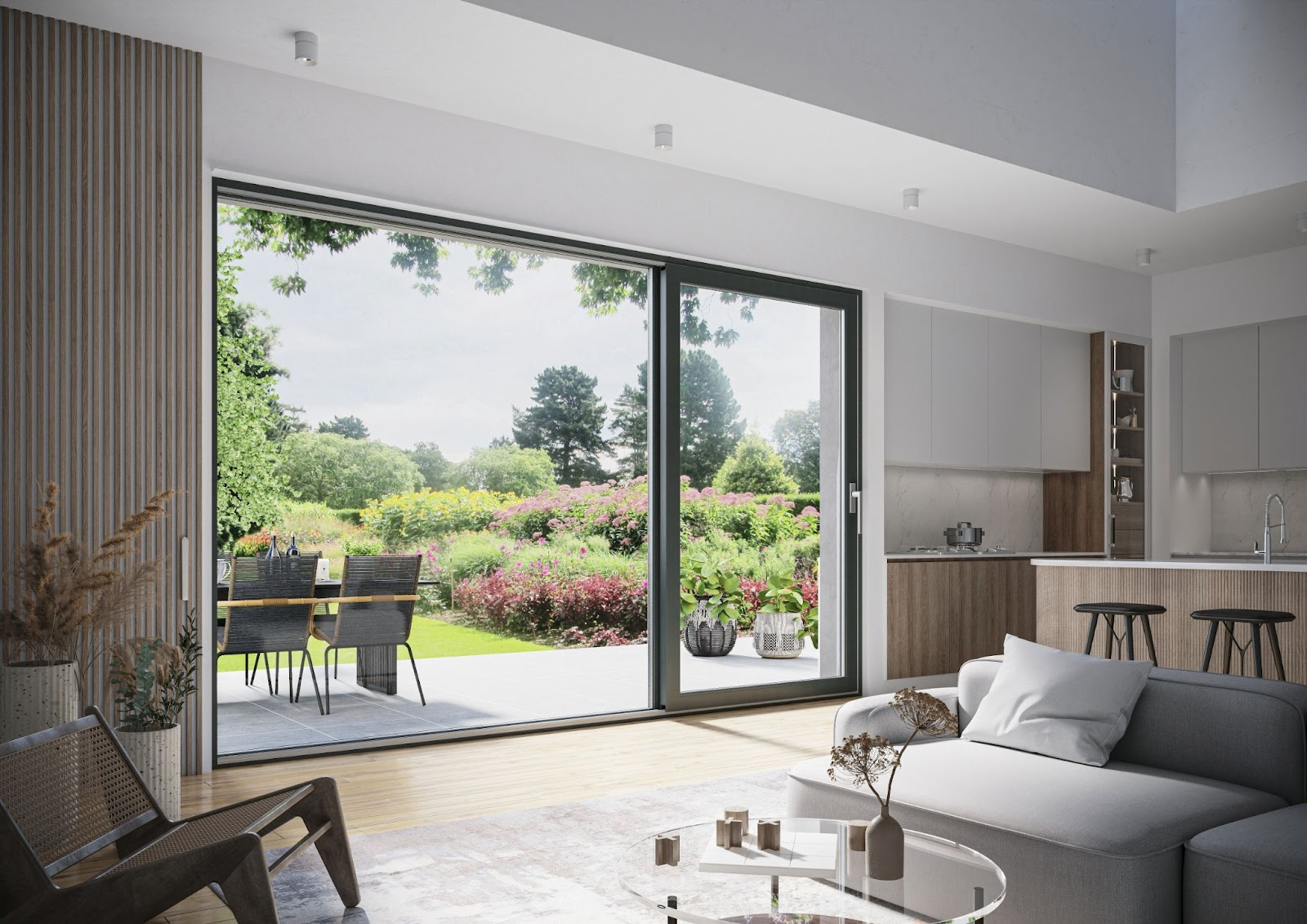
North-facing exposure provides noticeably less natural light throughout the year. Although it might seem that north-facing windows aren’t very useful in single-family homes, in reality, they can be very practical in specific rooms. They are ideal for a home office – especially now, when remote and hybrid work have become the norm.
North-facing windows in an office provide even, diffused light that doesn’t change much during the day. While they don’t let in a lot of direct sunlight, their moderate brightness is an advantage. Offices that are too bright can be difficult to arrange; direct sunlight hitting a computer screen forces people to cover the windows and use artificial lighting. Since north-facing windows don’t generate such strong light, it’s easier to maintain a comfortable working environment, and the room doesn’t overheat, especially during warm days.
For the same reasons, north-facing windows can also work well in a kitchen, where stable lighting and cooler temperatures are welcome benefits.
South-facing windows
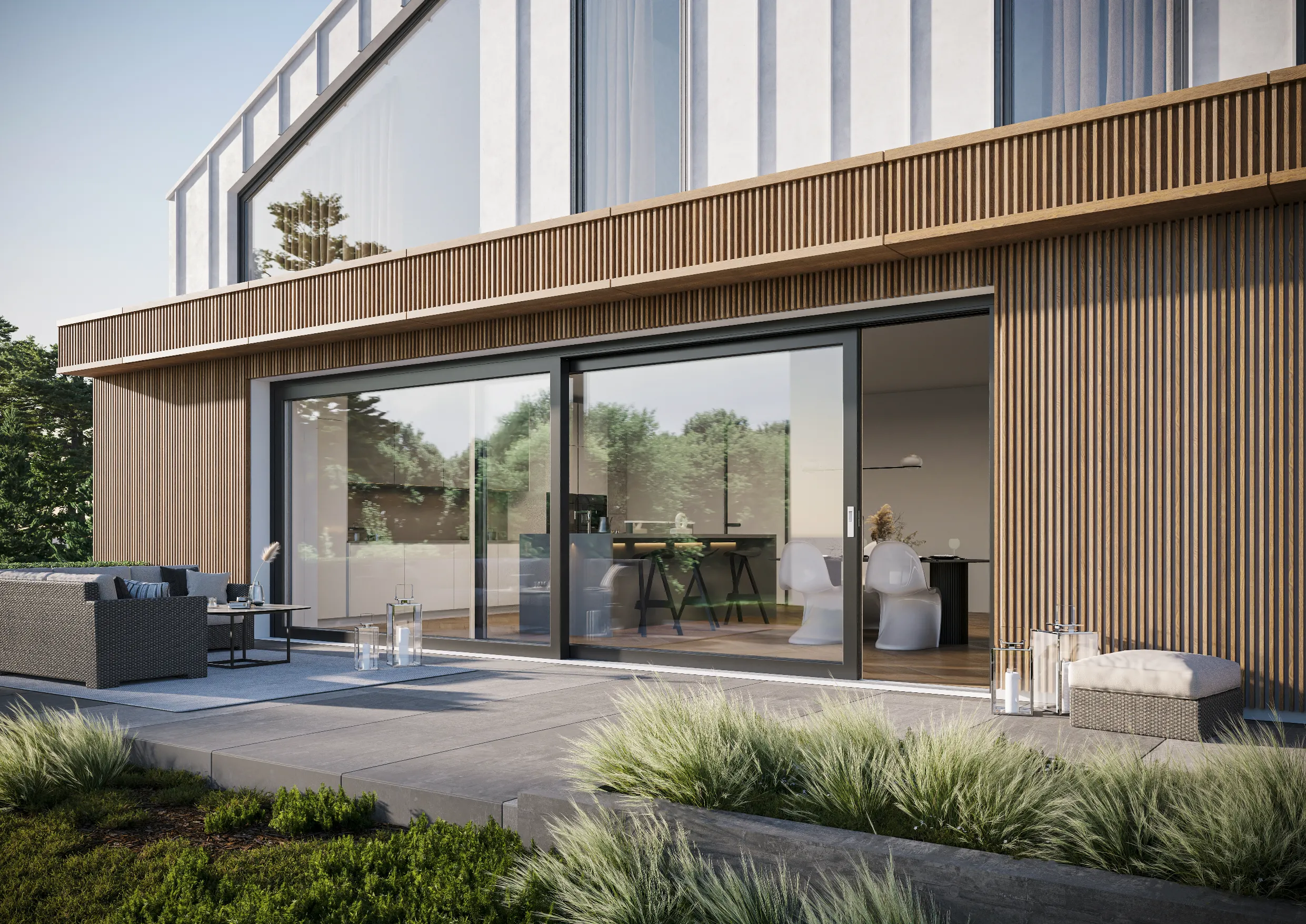
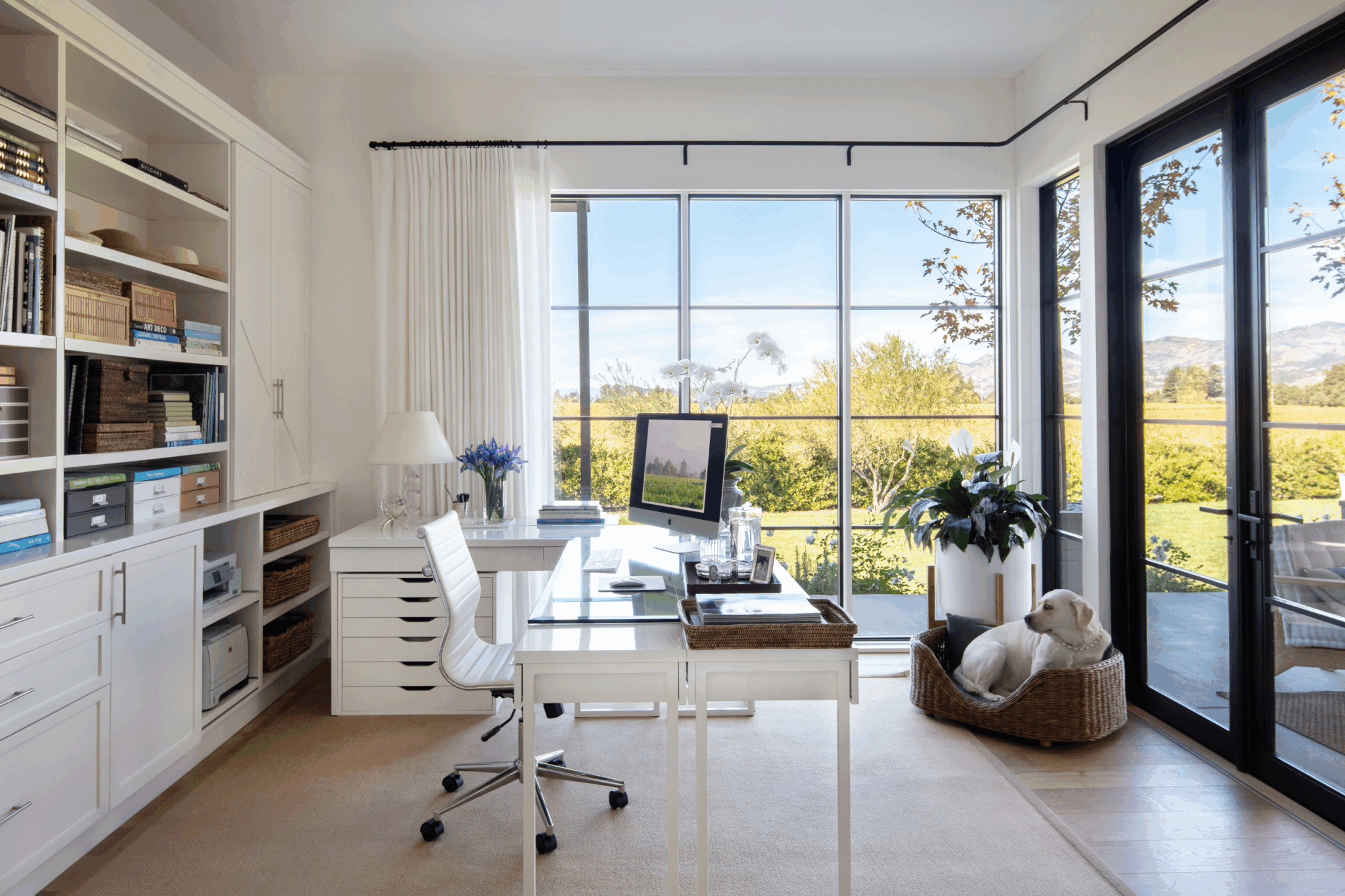
South-facing windows provide the most sunlight during the day and help gradually warm up the interior. That’s why south-facing windows are especially recommended in living rooms. These are usually the largest rooms in a house, and due to their volume, they heat up more slowly than others – which makes southern exposure particularly valuable. Moreover, the living room is where household members spend a lot of time, so it’s important that it be well lit with natural light throughout the day, without the need for artificial lighting.
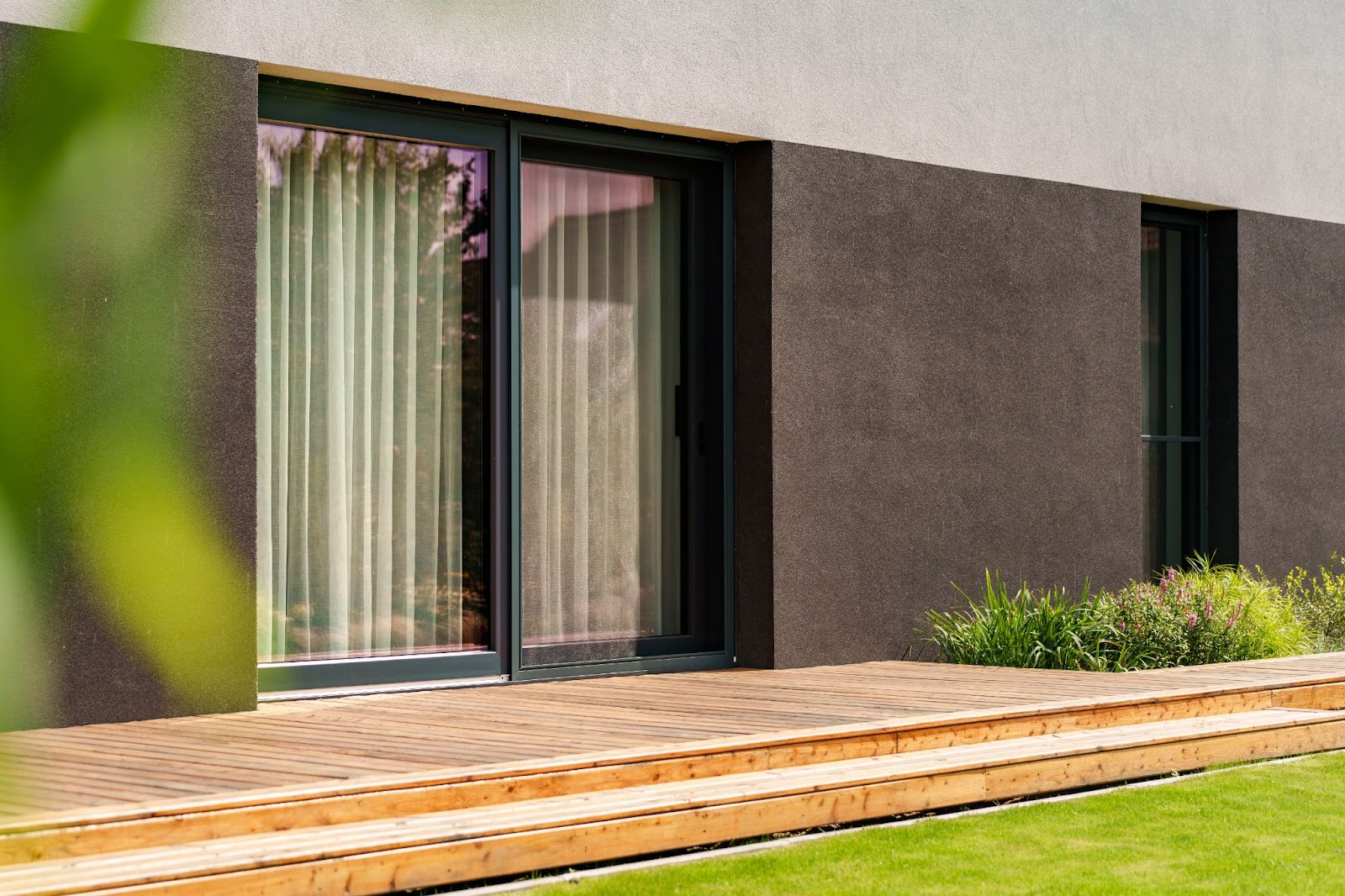
It’s definitely worth using large south-facing windows in the living room – such as sliding patio doors with Smart Slide or HST systems. These solutions let in the maximum amount of daylight and make the space bright, spacious, and comfortable for everyday use. In winter, when days are short and often cloudy, the additional sunlight in the living room has a particularly positive effect on the mood and comfort of the residents.
What is the best window orientation in an apartment?
The best window orientation in an apartment primarily depends on the purpose of the rooms and the individual preferences of the residents. For instance, if you don’t like strong and prolonged sunlight, placing the living room on the south or west side might not be the most comfortable option for you.
It’s also important to remember that ideal window placement isn’t always achievable – especially in apartments with many rooms. Sometimes there simply isn’t enough space for all rooms to benefit from the same optimal exposure to daylight. Additionally, nearby tall buildings or trees may limit the amount of natural light, regardless of the window orientation. Therefore, it’s essential to find a balance between expectations and actual conditions.
Most often, the most desirable direction is considered to be southwest exposure. Such apartments are particularly valued in the real estate market.