Wondering how to give your home’s facade a unique, eye-catching character? Are you looking for a detail that will emphasize the classic style of a traditional manor house or break up the raw look of a modern barn? Windows with muntin bars (often called grilles or glazing bars) are a solution that has enjoyed enduring popularity in architecture for years. Modern technologies allow for almost unlimited personalization of these elements – from color and width to unique grid layouts. In this article, we will explain exactly what muntin bars are, which types are worth considering, and how to match them to the style of your building. Gain reliable knowledge before making your purchase to secure the best investment for your home.
What are muntins?
Muntins (often referred to as glazing bars or grilles) are special strips that optically or physically divide the glass surface into smaller panes. This seemingly small architectural detail has a massive impact on the final appearance of the entire window joinery and the overall character of the building’s facade.
What Is Their Function?
Modern window muntins serve primarily a decorative purpose. Their main task is to add variety to the glazing, giving it lightness or, conversely, defining bold, geometric divisions. Properly selected glazing bars can completely transform the proportions of a window, making an overly tall sash appear wider, or ensuring that massive glass facades do not overwhelm the exterior design.
Do muntins serve an exclusively decorative role?
The majority of solutions available on the market today are strictly ornamental. The exception, however, is structural muntins, which are physical components of the window sash construction, enhancing its rigidity and stability. In the case of traditional decorative muntins (such as between-the-glass or stick-on varieties), their role is purely aesthetic and has no impact on the load-bearing capacity of the frame. This is the ideal answer for homeowners who want to combine modern thermal insulation performance with classic design.
How have they changed over the years?
The history of muntin bars is fascinating. Originally, they were not a decorative choice but a technological necessity. In past centuries, the glass production process was imperfect, and glassworks could not manufacture large, uniform, and durable sheets of glass. To create a window of a functional size, craftsmen had to join smaller pieces of glass together. Wooden or lead strips – muntins – were used for this very purpose. With technological progress and the advent of large, double- and triple-glazed insulated units, the practical need to divide glass disappeared. However, architects and homeowners did not want to lose the beautiful, latticed patterns, which led to the evolution of muntins into an elegant decorative element.
What are the types of muntin bars?
The window market offers diverse types of muntin bars, allowing you to precisely match the solution to the technical requirements of your building and your design expectations. To help you make the best decision, we break down the most popular options available in the MIROX range:
Grilles Between Glass / Internal Muntins
These are permanently mounted inside the insulated glass unit (IGU), within the gas-filled space between the panes. They are made of lightweight and durable aluminum. The primary advantage of internal grilles is that they require no maintenance and do not get in the way when cleaning the windows. However, it is worth noting that using internal muntins slightly reduces the window’s thermal insulation, which translates to a minor increase (worsening) of the heat transfer coefficient Uw.
Simulated Divided Lites / Stick-on Muntins
As the name suggests, these decorative strips are glued directly onto the surface of the glass – usually on both the inside and outside. It is important to keep in mind that stick-on muntins are highly exposed to sunlight, which in extreme cases can lead to warping. This risk can be minimized by providing appropriate shading or using sun protection systems.
True Divided Lites / Structural Muntins
This is the oldest type of muntin bar, which physically divides the window space – a separate, individual glass pane is fitted into each grid opening. The main advantage of this solution is the added strength, stiffness, and structural integrity of the window.
Vienna Muntins
Vienna grilles are a hybrid of internal and stick-on muntins. An aluminum spacer grid is placed inside the double-glazed unit to visually divide the pane. Additionally, thin decorative strips are glued onto the exterior surfaces of the glass. This combination perfectly replicates the look of traditional true divided lites, even though you are still dealing with a single, highly efficient insulated glass unit.
Muntin bars in windows – how to choose their width?
Choosing the right width of a muntin bar is a decision that requires a balance between aesthetic preferences and the physics of light. The dimensions of decorative profiles can fundamentally alter how a window is perceived:
- 8 mm: Exceptionally thin, delicate tubes or strips (most commonly found in brass, gold, or white options). They serve a purely “jewelry-like” decorative role.
- 18 mm: The standard, slender width that does not block much natural light. It is ideal for standard-sized windows in apartments and single-story houses.
- 26 mm: The size most frequently chosen by architects who want to reference classic woodwork. It pairs beautifully with joinery in grand villas and spacious homes.
- 45 mm: Bold, very wide bars that stand out prominently against massive glass panes. These are primarily used in massive, palace-style glazing.
Which architectural styles do windows with muntins suit?
Many people mistakenly associate window grilles only with countryside cottages or historic palaces. Today, they are a highly versatile detail that takes on different characters depending on the chosen shape and architectural context.
Classic homes and polish manor houses
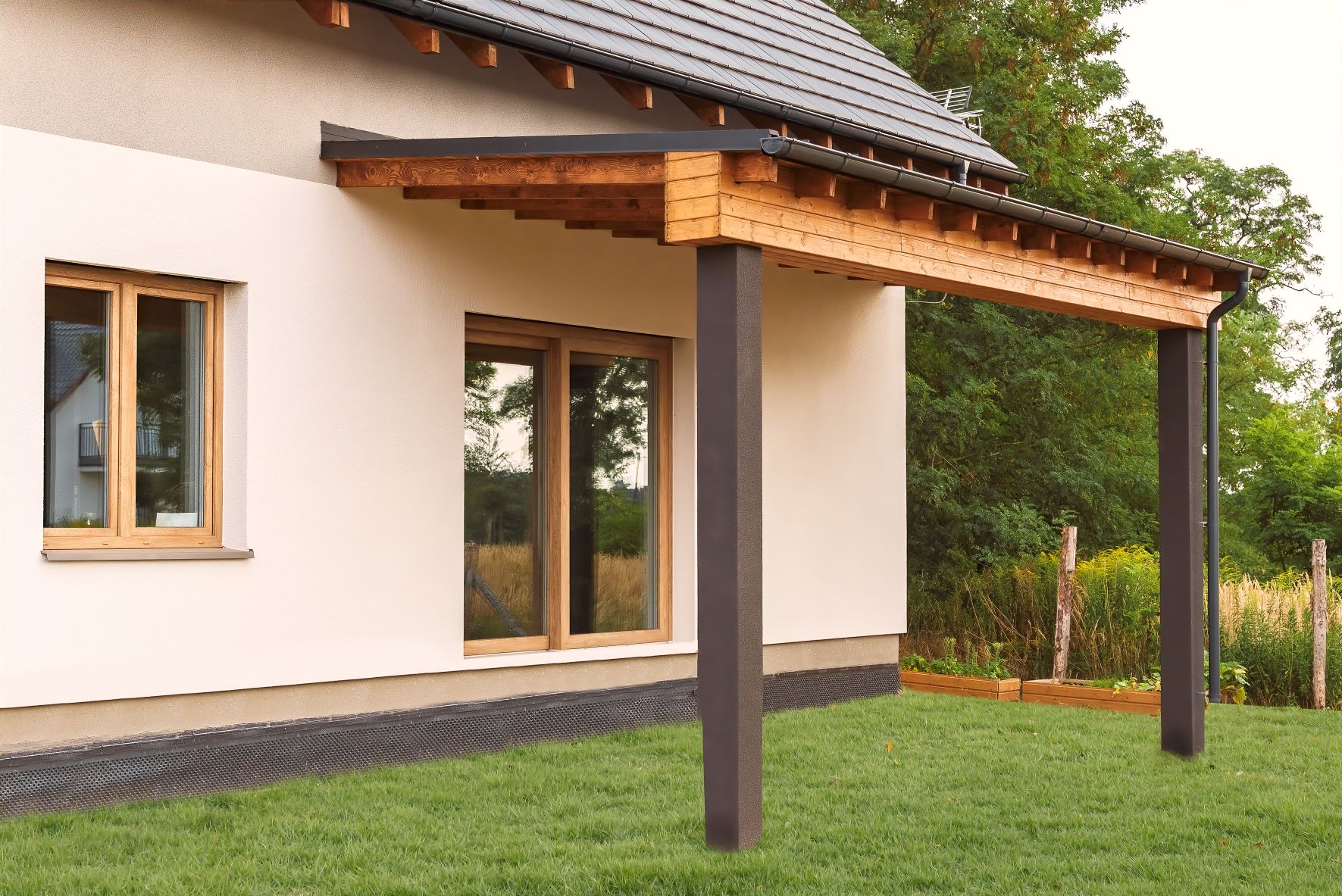
This is the natural habitat for this design detail. A traditional Polish manor house is characterized by symmetry, a columned porch, and a sloped roof. Windows in classic homes practically beg for the use of muntins (especially stick-on Vienna grilles or elegant 18/26 mm internal ones). A symmetrical grid dividing the window into six or eight panes works best here, typically finished in white or warm wood tones.
Modern windows with muntins (loft and modern barn)
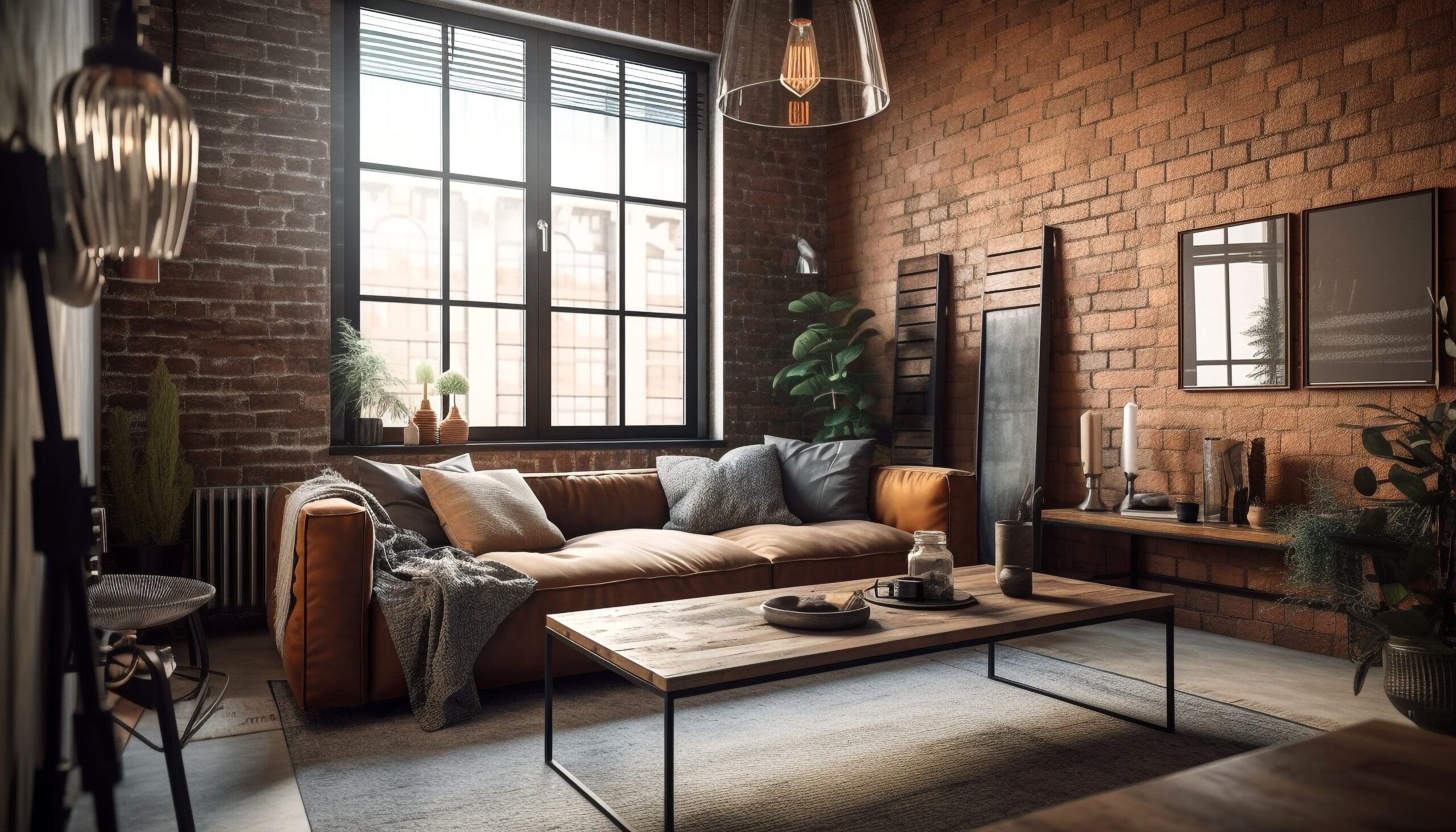
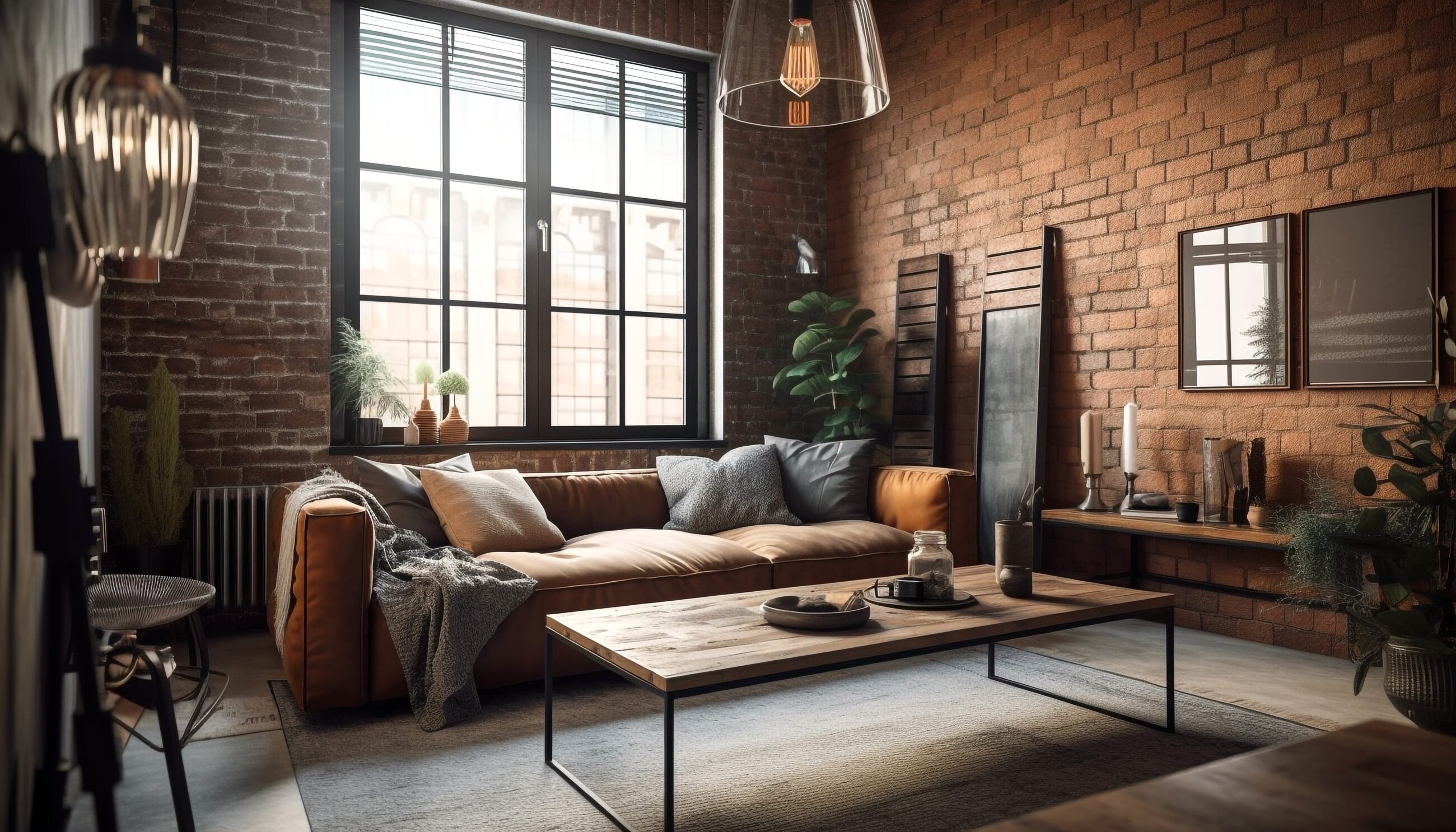
In modern design – including the incredibly popular “modern barn” style – muntins are making a comeback in a refreshed, edgy form. Traditional white grids are swapped for bold black or anthracite, featuring striking asymmetrical divisions. Structural muntins or wide internal grilles perfectly mimic industrial, steel loft-style windows, emphasizing the raw beauty of red brick or architectural concrete.
Scandinavian style
In homes built in the Nordic aesthetic, natural daylight is a precious commodity. For this reason, Scandinavian-style windows with grilles are usually very bright (white) and avoid dense grid patterns. A popular solution in “Scandi” homes is a thin muntin bar (e.g., 18 mm) that divides the glass only vertically down the center, or creates a single, subtle cross-grid in the upper section of the window.
English and rustic style
British elegance is famous for dense grid patterns, meaning country cottages and English-style estates are perfect candidates for heavily divided windows. In rustic styles, windows in natural oak finishes reign supreme, often decorated with prominent Vienna grilles that enhance the three-dimensional, handcrafted feel of the building. Manufacturers also highly recommend stick-on grilles for log homes, as they perfectly highlight the raw, natural beauty of the wooden walls.
Historic buildings and heritage renovations
When restoring palaces, historic townhouses, or half-timbered buildings, preservation officers often enforce strict historical requirements. In these cases, structural muntins are almost always mandatory. They recreate the historical rhythm of the facade and guarantee faithful replication of pre-war craftsmanship – something modern, completely smooth glass panes simply cannot achieve.
FAQ
1. Are window muntins fashionable?
Absolutely, yes. While large, minimalist, and completely clear glazing dominated for a brief moment, current architectural trends are promoting a return to coziness, craftsmanship, and structured forms. They fit perfectly into trendy “modern barn” designs as well as traditional styles (such as Provençal or classic manor houses). Muntins are a timeless decorative detail that has never truly gone out of style, and modern technology simply gives them a fresh, highly functional dimension.
2. Are windows with muntins more expensive?
Yes. Producing a window enhanced with muntin bars requires additional labor and materials, which translates into a higher final price. The exact cost increase depends on the chosen type of grilles and the density of the grid divisions.
3. Can muntins be removed from windows?
The possibility of removal depends entirely on their type: In the case of internal muntins (sealed inside the glass unit) and structural muntins (which form an integral, load-bearing part of the frame), removing them without destroying the window is physically impossible. If you want to get rid of them, you will need to replace the entire glass unit. Removal is technically possible only with certain stick-on (adhesive) PVC or wooden muntins attached to the outer surfaces of the glass. However, this is a highly risky process. It can easily scratch the glass permanently, damage protective coatings, and leave stubborn, hard-to-remove adhesive residue.