
How to Tell When Windows Need Replacing? 10 Key Signs
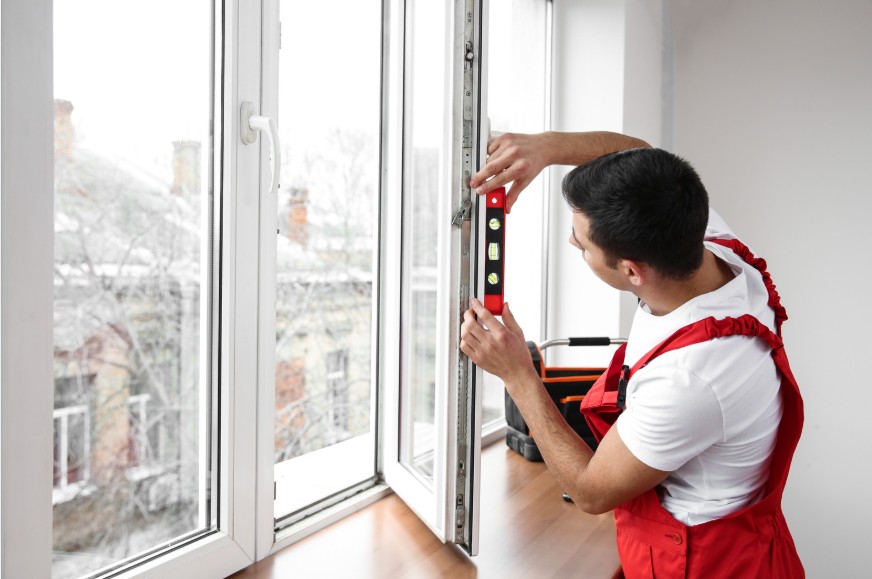
Old windows do not always require immediate replacement. Sometimes, an issue can be resolved through hardware adjustment, replacing worn weatherstripping, or repairing a specific component. However, certain symptoms indicate that the window frame and sash are losing their core properties and that further repairs may be less practical than replacing the entire window. How can you tell if your windows need replacing? Key signals include drafts when the sash is closed, difficulty opening or closing, worn seals, fogging inside the glass unit, moisture buildup around the frame, reduced sound insulation, and repeated breakdowns. The age of the window matters as well, but it should not be the sole decision factor.
How to tell when windows need replacing?
There is no single symptom that dictates a full replacement in every case. It is best to assess airtightness, technical condition, thermal performance, functionality, and ongoing maintenance costs all at once.
1. You Feel a Draft Even When the Window Is Closed
If you can clearly feel cold air flowing in while the window is shut, the unit may have lost its seal. The cause does not necessarily mean the whole window is beyond repair. The problem could stem from improperly adjusted hardware, worn weatherstripping, or a poor seal at the joint between the window frame and the wall.
-
What can you check on your own? On a cool, calm day, run your hand along the perimeter of the closed sash. Pay close attention to the corners and areas near the hinges and handle. You can also perform a simple paper test: insert a sheet of paper between the sash and frame, close the window, and try to pull the paper out. If it slides out with little resistance in multiple places, the sash compression needs checking.
-
Do you need to replace the window? Not always. It is worth checking hardware adjustment and seal condition first. However, if the leak is caused by sash warping, structural wear, or systemic damage, servicing alone may not suffice.
2. The Window Is Hard to Open, Close, or Requires Significant Force
A handle that requires heavy force, a sash that drags against the frame, or difficulty latching fully are not normal conditions. It is usually best to start by adjusting the hardware. Over time, a window sash can drop slightly, and its mechanisms may require maintenance and recalibration. However, if the issue recurs despite servicing, or if the sash is noticeably warped, damaged, or misshapen, it points to more advanced wear and tear.
-
Rule of thumb: If adjustment restores smooth operation and there are no other major issues, replacement is likely unnecessary.
3. Seals Are Stiff, Cracked, Deformed, or Popping Out of the Groove
Weatherstripping is responsible for limiting air and water infiltration between the sash and frame. Over time, rubber seals can lose elasticity, warp, or crack. This is one of the easiest issues to fix without replacing the entire window. It is worth inspecting the seals particularly when drafts, outdoor noise, or cold spots around the frame appear. If the profile and hardware are in good shape, replacing the seals can be a much simpler solution than replacing the whole unit.
4. The Sealed Glass Unit Fogs Up from the Inside
It is important to distinguish between two entirely different phenomena. Condensation on the room-facing surface of the glass does not necessarily mean the insulated glass unit (IGU) is damaged. It is often linked to high indoor humidity, low surface temperature on the glass, insufficient ventilation, or how the room is used. The situation is different when moisture appears between the panes of a double- or triple-glazed unit. This signals a broken seal in the glass package. In such cases, you often do not need to replace the entire window frame; replacing just the glass unit is possible, provided the rest of the window is in good condition.
5. Water Condenses on the Frame, Sill, or Reveal
Water pooling around the window calls for identifying the root cause rather than an automatic window replacement.
Possible causes include:
-
High air humidity,
-
Insufficient ventilation,
-
Low surface temperature,
-
Thermal bridges,
-
Installation flaws,
-
Obstructed airflow near the window,
-
Inadequate window parameters or damaged components.
If moisture appears regularly, especially in the corners of the window openings, it is wise to have a specialist assess the situation. Installing a new window without addressing the underlying cause may fail to solve the problem.
6. Moisture or Mold Appears Around the Window
Mold on the wall reveal or near the frame is a warning sign. However, it does not automatically mean the window itself is defective. You need to determine where the moisture is coming from. Causes can range from humidity condensation and poor ventilation to thermal bridging or improper seal between the window and wall. If dampness is tied to the window unit or its installation, a professional assessment will reveal whether resealing, repair, or full replacement is needed. Technical requirements also emphasize designing and executing the window-to-wall junction with air barrier integrity in mind.
7. Significantly More Outdoor Noise Enters the Room Than Before
If traffic, conversations, wind, or outside sounds become noticeably louder with the window closed, the problem may lie in the acoustic insulation properties or airtightness of the unit. On older windows, the culprit could be worn seals and hardware, or simply the design of the glazing itself.
Keep in mind that replacing a window does not automatically guarantee silence. If noise reduction is a priority, pay close attention to rated sound insulation performance (STC/OITC or Rw ratings) and select a solution tailored to the specific noise source.
8. The Sash Is Warped, Damaged, or No Longer Holds Its Shape
Visible warping of the sash or frame is a more serious issue than mere operational stiffness. If the structure cannot be properly adjusted and the sash fails to press evenly against the frame, restoring airtightness may be impossible without replacing the affected component or the entire window. This is especially true when deformation is accompanied by drafts, closure issues, and increased noise.
9. Windows Require Increasingly Frequent Repairs
A single defect is no reason to replace an entire window. The situation should be evaluated differently if, within short timeframes, you frequently need to:
-
Adjust hardware,
-
Replace mechanism components,
-
Repair handles,
-
Swap out seals,
-
Fix latching issues,
-
Repair sash damage.
When the cumulative cost of consecutive repairs begins to add up, it pays to compare ongoing maintenance expenses against replacement costs and the energy efficiency benefits of modern windows.
10. The Windows Have Very Poor Thermal Performance
A window’s age does not tell the whole story about its properties. What matters more is how the window actually functions and its thermal ratings. Contemporary energy performance standards for windows are far stricter than those applied to older products. For typical vertical windows in heated spaces, modern building codes often mandate maximum U-values around 0.9 W/(m²·K).
However, this does not mean every older window with a higher U-value must be replaced immediately. When evaluating cost-effectiveness, consider the overall condition of the building, total glass area, heating system, and any planned insulation or retrofit projects.
When Does Replacing Windows Make Sense?
Window replacement is particularly worth considering when drafts, operational issues, wear on multiple components, poor thermal/acoustic performance, and frequent breakdowns occur simultaneously. However, not every problem demands full window replacement. Worn seals can be swapped out, hardware can be adjusted or repaired, and a compromised glass unit can be replaced on its own.
The key question is not: “How old are my windows?”, but rather: “Do their current condition and performance meet my building’s needs, and do ongoing repairs make financial sense?”
If you are unsure whether you need new windows or simply an adjustment/service, starting with a professional evaluation is advisable. Companies like Mirox offer measurements, consulting, installation, and repair services, allowing the condition of existing windows to be assessed before making a replacement decision.
You do not have to replace windows simply because they are old. They are worth replacing when their condition, performance, or maintenance costs no longer serve the needs of your home.
FAQ:
-
How can you identify leaking/drafty windows?
Air leaks can show up as noticeable cold drafts, cold zones around the frame, increased outdoor noise, or poor sash compression. You can perform a palm test or paper test as an initial check. However, these quick tests do not replace professional airtightness diagnostics.
-
How many years do PVC windows last?
There is no single guaranteed lifespan for all PVC windows. Durability depends on profile quality, hardware, glazing, installation quality, usage, and maintenance. Current technical condition—rather than the manufacture year—should drive the decision to replace.
-
Will new windows really lower heating bills?
New windows can reduce heat loss, but potential energy savings depend on several factors: the performance gap between old and new units, total glass area, building insulation, heating type, ventilation, and installation quality. Without analyzing the specific building, a guaranteed savings percentage cannot be promised.
-
When is it better to repair a window versus replace it?
Repair is usually best when the problem affects a single component—such as a seal, latch, or adjustment. Replacement is more justified when multiple components are worn out at once, the frame/sash is warped, thermal performance is severely lacking, and repeated repairs fail to restore expected functionality.






Ask for a free measurement and quote
Wypełnij formularz, jeżeli chcesz umówić się na bezpłatny pomiar*, wycenić okna lub dowiedzieć się więcej o konkretnym produkcie.
Nasi specjaliści skontaktują się z Tobą i odpowiedzą na Twoje pytania.
*Bezpłatny pomiar dokonujemy wyłącznie na terenie Poznania oraz okolicy (do 20 km). Powyżej 20 km od Poznania pobierana jest kaucja za pomiar. Kaucja zwracana jest w momencie podpisania umowy.